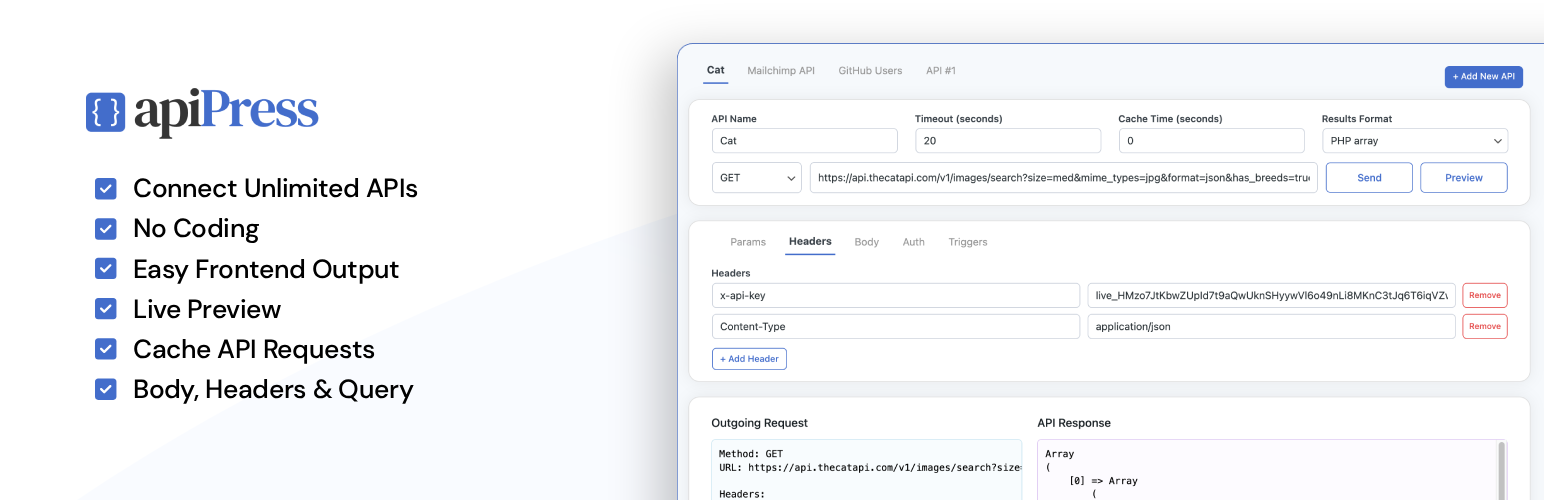
API Press - External API data, Connect API, Import API
| 开发者 | quicksnail |
|---|---|
| 更新时间 | 2026年6月25日 17:14 |
| PHP版本: | 7.0 及以上 |
| WordPress版本: | 7.0 |
| 版权: | GPLv2 or later |
| 版权网址: | 版权信息 |
详情介绍:
- Send - Push API requests on demand or use automatic triggers.
- Display - Show API data on your site using simple shortcodes or template tags.
- Import - Pull API data directly into WordPress to create or update your posts. If you have ever used Postman, API Press will feel very familiar. It is a low-code tool built specifically to connect your site to JSON APIs.
- Works with all REST APIs (GET, POST, PUT, PATCH, and DELETE)
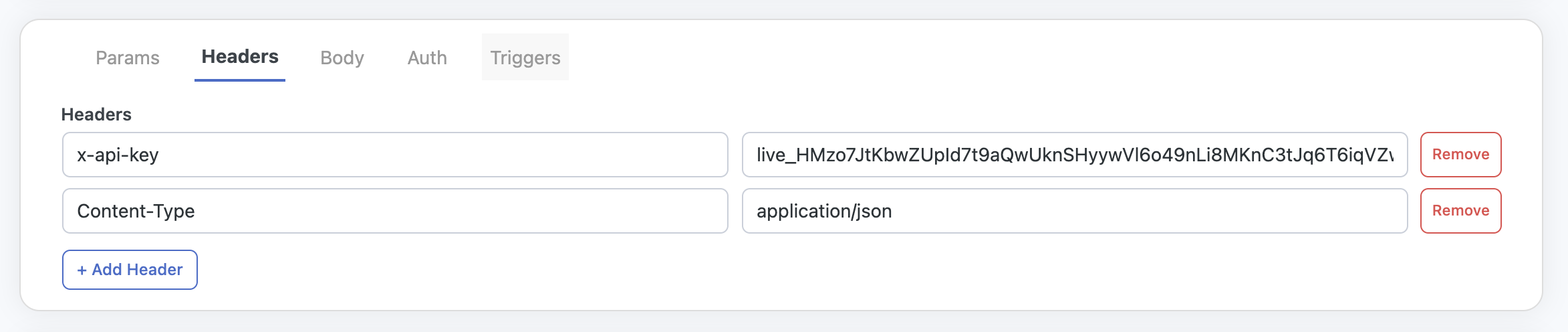
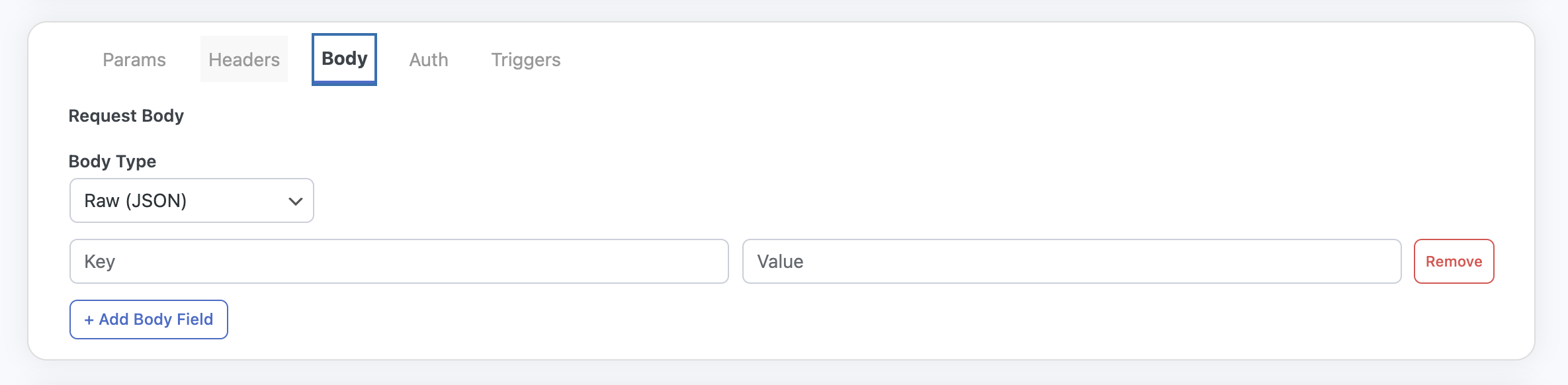
- Query parameters, headers and body data
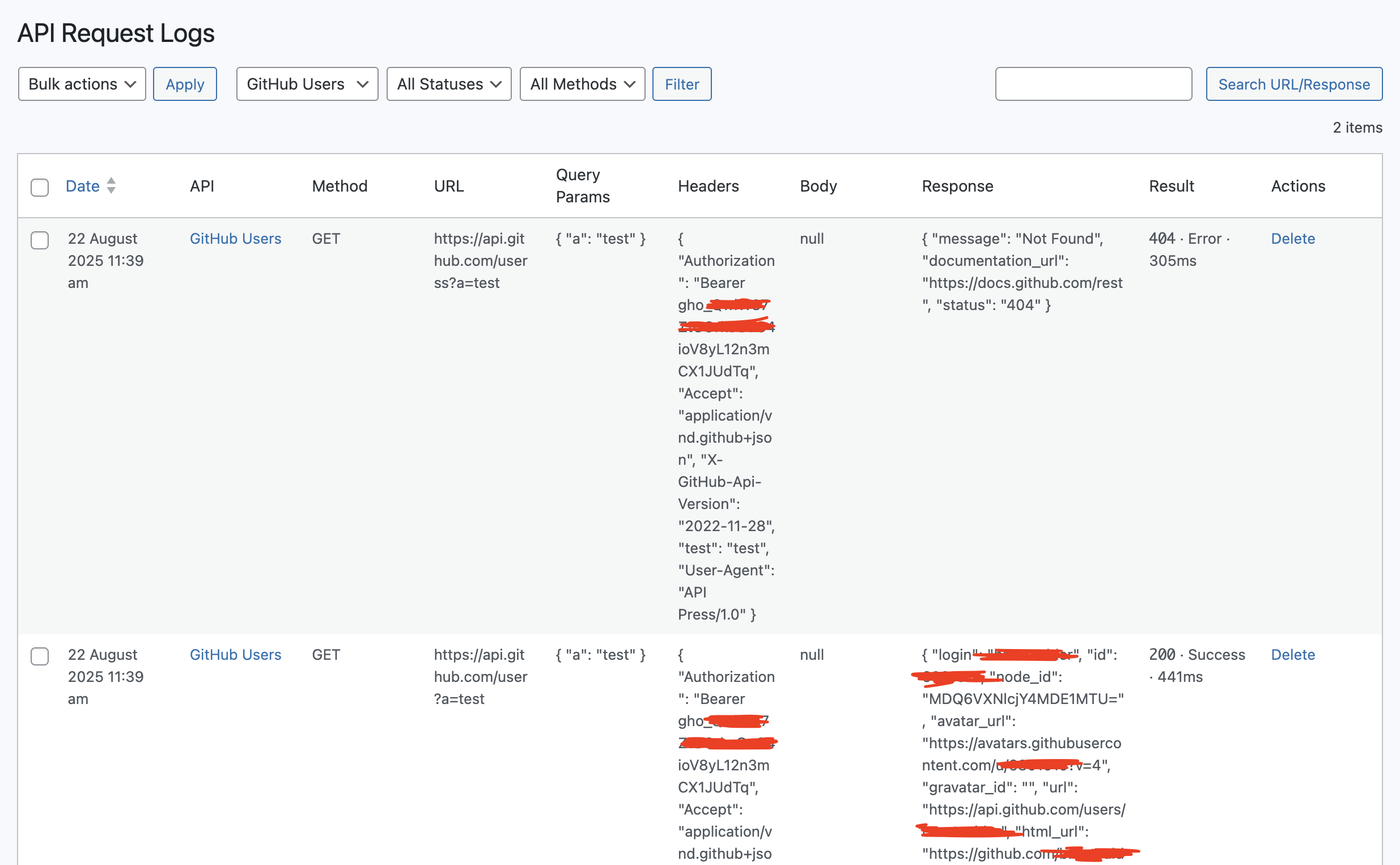
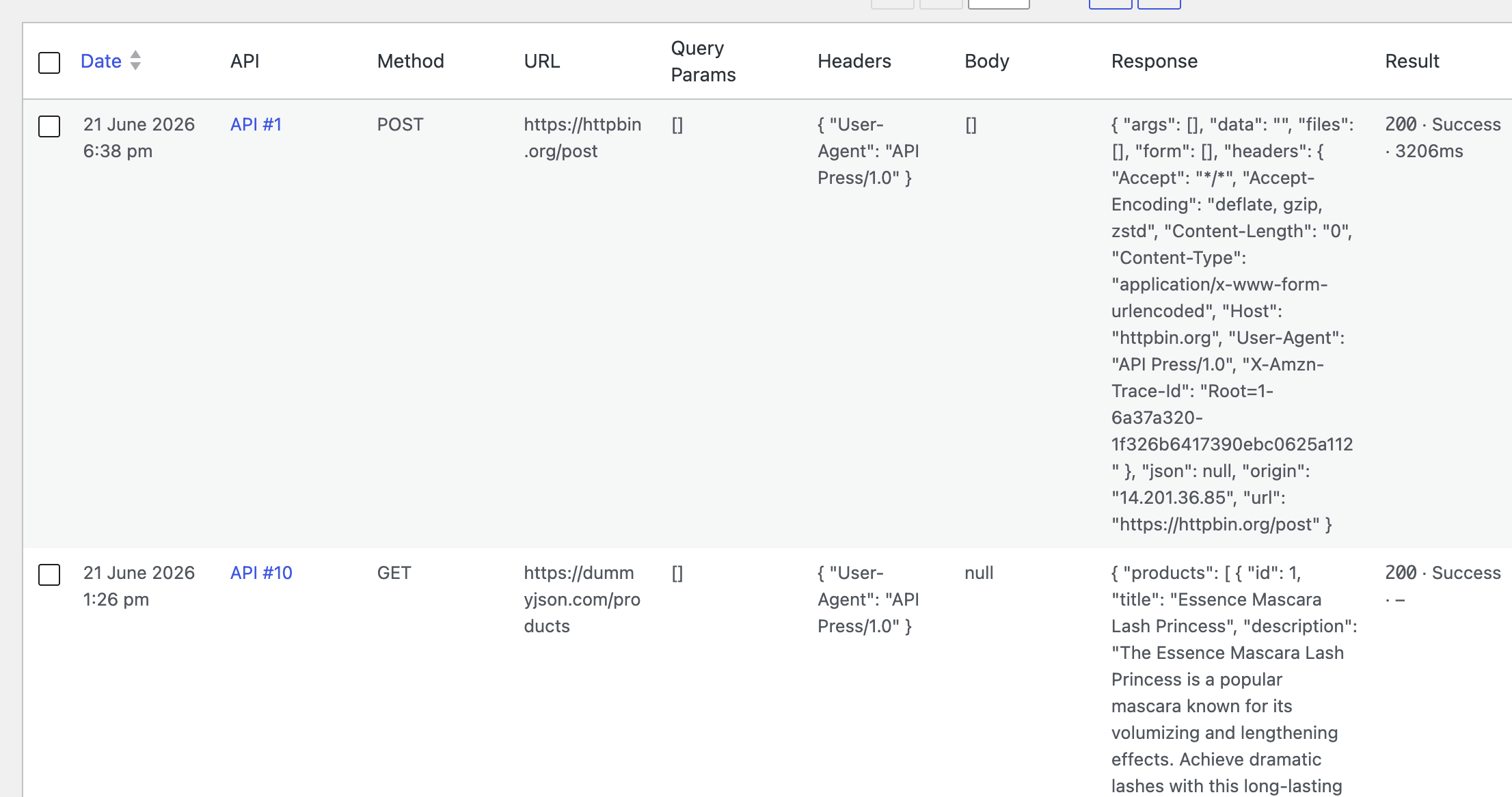
- Saves resources with API caching and logs all requests
- Handles multiple data types like raw JSON, form-data, and x-www-form-urlencoded
- Lets you preview live responses inside your admin panel
- Shortcode or template tag to output API data anywhere on your site
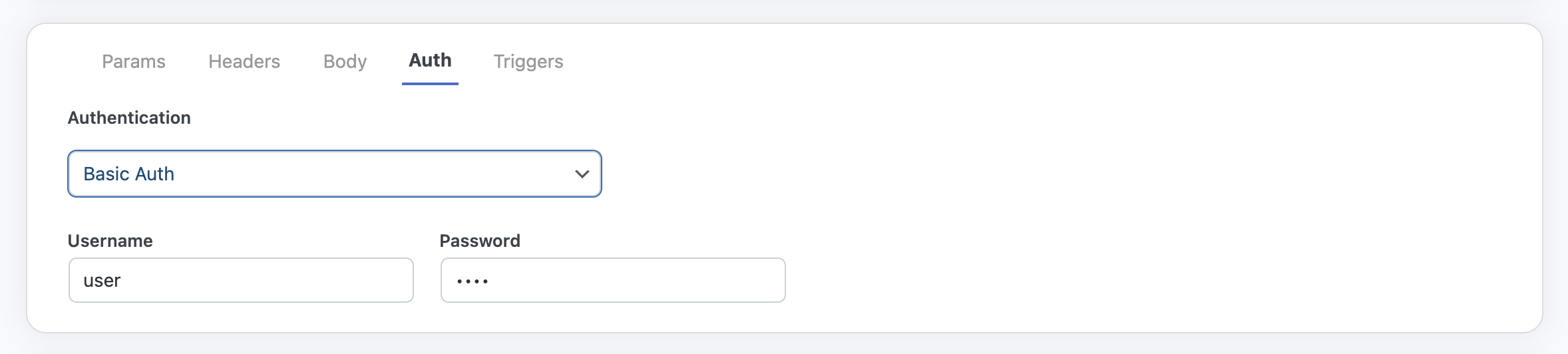
- Built-in auth: API Keys, Bearer tokens, and Basic Auth
- No code
- Smart Triggers: Use advanced automation and dynamic variables.
- Visual Displays: Use pre-built layouts like Galleries, Tables, and Carousels.
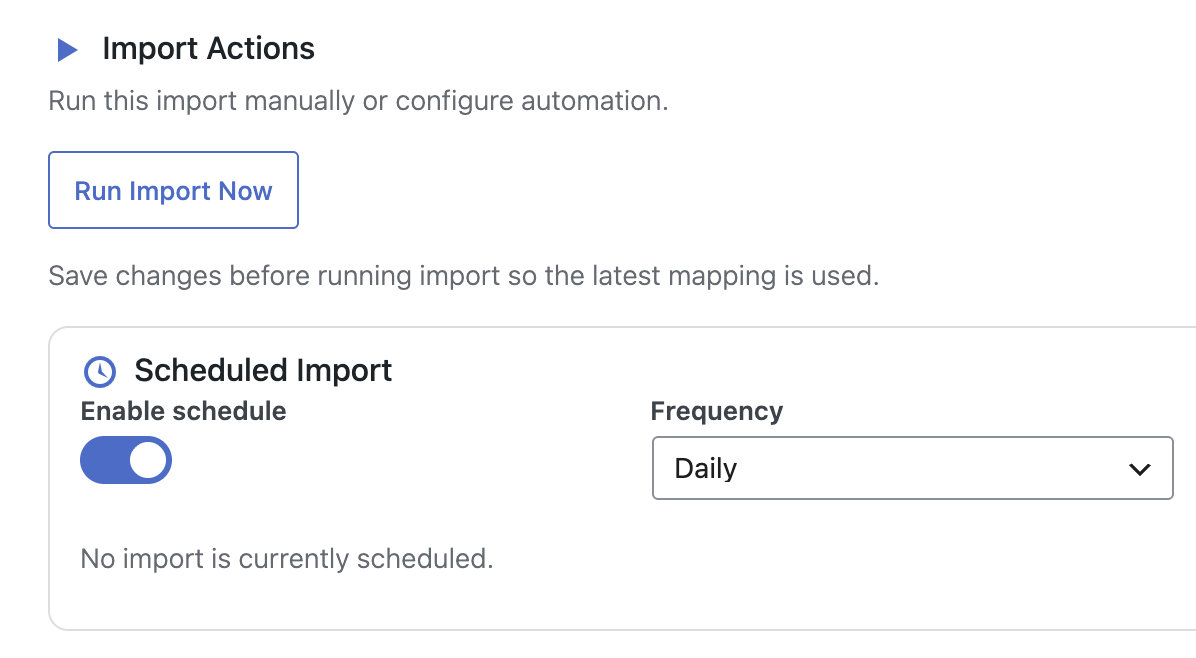
- Deep Mapping: Get extended import options and automated scheduling.
- Secure Access: Full OAuth 2.0 Authorization support.
- Instant Alerts: Receive email notifications if a response fails.
- Developer Tools: One-click API cloning, log retention, and CSV exports. View the API Press PRO plugin.
安装:
- Navigate to “Plugins > Add New” in your dashboard
- Search for “API Press”
- Click “Install Now” and then “Activate”
- A new menu item API Press will appear in the dashboard
- Download the API Press ZIP file from wordpress.org
- In your WordPress dashboard, go to “Plugins > Add New > Upload Plugin”
- Select the ZIP file and click “Install Now”
- Activate the plugin after installation
- Download and extract the API Press ZIP file
- Upload the
api-pressfolder to/wp-content/plugins/ - Go to “Plugins” in the WordPress dashboard and activate API Press
屏幕截图:
常见问题:
Do I need to know how to code to use API Press?
No. API Press is built as a no-code tool. You can build and manage API requests directly in your WordPress admin without writing any code. It is very easy to use.
What types of API does this integrate with?
API Press works with any REST API that accepts standard HTTP requests (GET, POST, PUT, PATCH, DELETE). You can send parameters, headers and authentication details to most APIs.
How do I display API data on my site?
You can display API responses using a shortcode inside posts or pages, or by adding a template tag inside your theme. This allowins you to complete a full WordPress API integration without code (or with code if you are a developer). Free display options include List, HTML, JSON, and PHP Array.
Does API Press support authentication?
Yes. The free version supports API Key, Bearer token, Basic Auth and no authentication. OAuth 2.0 authorization is available in the PRO version.
Can I log and cache requests?
Yes. Logging of all requests and caching of API calls are included in the free plugin. This helps with performance and debugging.
What extra features are in API Press PRO?
The PRO plugin adds powerful features such as extra triggers (send API requests on WordPress actions), variables (send dynamic user or site data), OAuth 2.0, email alerts on failed requests and one-click cloning of APIs.
Can I preview API responses before displaying them?
Yes. From the WordPress admin you can test and preview any API request by clicking the test butotn.
Is this plugin similar to WPGetAPI & Postman?
Yes. Functionality of API Press is simlar to WPGetAPI and Postman. The look and feel is more similar to Postman.
Can this plugin create posts from API data?
Yes, you can connect to an API and use the data to create posts and pages within WordPress. You just need to map your API fields to WordPress fields and then run the importer.
Can this plugin display API data?
Yes, you can connect to an API and then display that data on your website.
Can this plugin send data to an API?
Yes, you can connect to an API and then send data from your website to that API.
更新日志:
- Minor UI enhancements
- Add direct links to relevant docs for each workflow
- Add extra event triggers - User Login and Post Published
- Add extra display templates - JSON, PHP array, HTML
- Add cooldown field to prevent multiple sends to API
- Added intent-specific API screens for Sending, Displaying or Importing APIs
- UI and styling updates
- Updated block metadata for WP 7.0+ compatibility (
apiVersion3) - Fixed block text domain usage to
api-press - Improved logs query handling
- Updated plugin action link label to “Open API Press”
- Styling updates
- Add placeholders and default values for inputs
- Change docs link to getting started article
- Tested with WordPress 6.9
- Add toggle for bypassing SSL verification. to be used for testing only.
- Make plugin translatable
- Add detailed Display and Trigger info
- Add wrapping div for h1 to allow full-width admin notices
- Update correct link to settings page
- Add display tab
- Minor styling updates
- Add logo to admin page
- Update block.json text
- Add block.json
- Add contact link to admin
- Add API Press block
- Add filters to allow PRO plugin enhancements
- Add Settings page
- Add Logs page
- Add nonce checks to navigation betwen APIs
- Initial Release