
No Gutenberg? - Choose Where to Use the Block Editor or the Classic Editor
| 开发者 |
fernandot
ayudawp |
|---|---|
| 更新时间 | 2026年8月25日 21:18 |
| PHP版本: | 7.4 及以上 |
| WordPress版本: | 7.1 |
| 版权: | GPLv2+ |
| 版权网址: | 版权信息 |
详情介绍:
- Gutenberg Block Editor (completely disabled)
- Full Site Editing (FSE) Global Styles and inline CSS
- Block-based Widget Editor (reverts to Classic Widgets)
- Block Patterns and Pattern Directory
- Theme.json support and processing
- Block Directory integration
- Site Editor functionality
- The block library CSS and JavaScript that every page loads
- The Global Styles inline CSS, which dequeuing the handle never reaches
- The block assets of any other plugin that registers blocks, on pages where no block appears
- The block editor assets in the admin, wherever the Classic Editor is the one opening
- The block based product editor, which follows the same rules as any other post type
- The WooCommerce block styles and scripts, removed along with the rest of the block assets
- Nothing else: leave blocks on for products and the block product editor keeps working
- Removes the welcome panel that promotes the block editor
- Removes the Patterns submenu from the Appearance menu (WP 6.5+)
- Removes the Fonts submenu from the Appearance menu (WP 7.0+)
- Blocks access to Site Editor pages
- Shows activation success notice
- Warns you when a block theme is active
- Adds settings and support links to plugin actions A default that asks nothing, and a settings page for everything else - Activating the plugin disables the block editor and every block feature across the site, which is what most people install it for. The rest of this page is about wanting less than that.
define( 'NO_GUTENBERG_OPTIONS', array( 'complete' => true ) ); define( 'NO_GUTENBERG_HIDE_SETTINGS', true );
Drop that second line and the settings page is still there, showing the configuration the site is really running, but read only. And if all you want is to lock the screen, leaving the configuration as each site has it stored:
define( 'NO_GUTENBERG_LOCK_SETTINGS', true );
NO_GUTENBERG_OPTIONS takes any of the settings on the screen, so a selective setup is written the same way:
define( 'NO_GUTENBERG_OPTIONS', array( 'complete' => false, 'disable_post_types' => array( 'post', 'page' ), 'disable_roles' => array( 'editor', 'author' ), 'frontend_css' => false, ) );
The keys are the settings on the screen. complete, widgets, patterns, frontend_css, theme_json, site_editor and fse_notices take true or false, while disable_post_types, disable_roles, disable_templates and switch_post_types take an array of slugs, and disable_ids an array of entry IDs. Any key you leave out keeps the value stored on the site. Note that defining NO_GUTENBERG_OPTIONS already turns the whole screen read only, so NO_GUTENBERG_LOCK_SETTINGS is not needed on top of it.
It fits sites that:
- Work better in the Classic Editor and want it back
- Run classic themes and plugins that were never built around blocks
- Are paying for block CSS and JavaScript on pages with no blocks in them
- Need the Classic Editor for everyone except a few post types, roles or people
- Are a multisite network that wants the same editing experience on every site
安装:
- Go to your WP Dashboard > Plugins and search for 'no gutenberg' or…
- Download the plugin from WP repository
- Upload the 'no-gutenberg' folder to the '/wp-content/plugins/' directory
- Activate the plugin through the 'Plugins' menu in WordPress
- That is it. The block editor is disabled across the site and the Classic Editor is back
屏幕截图:
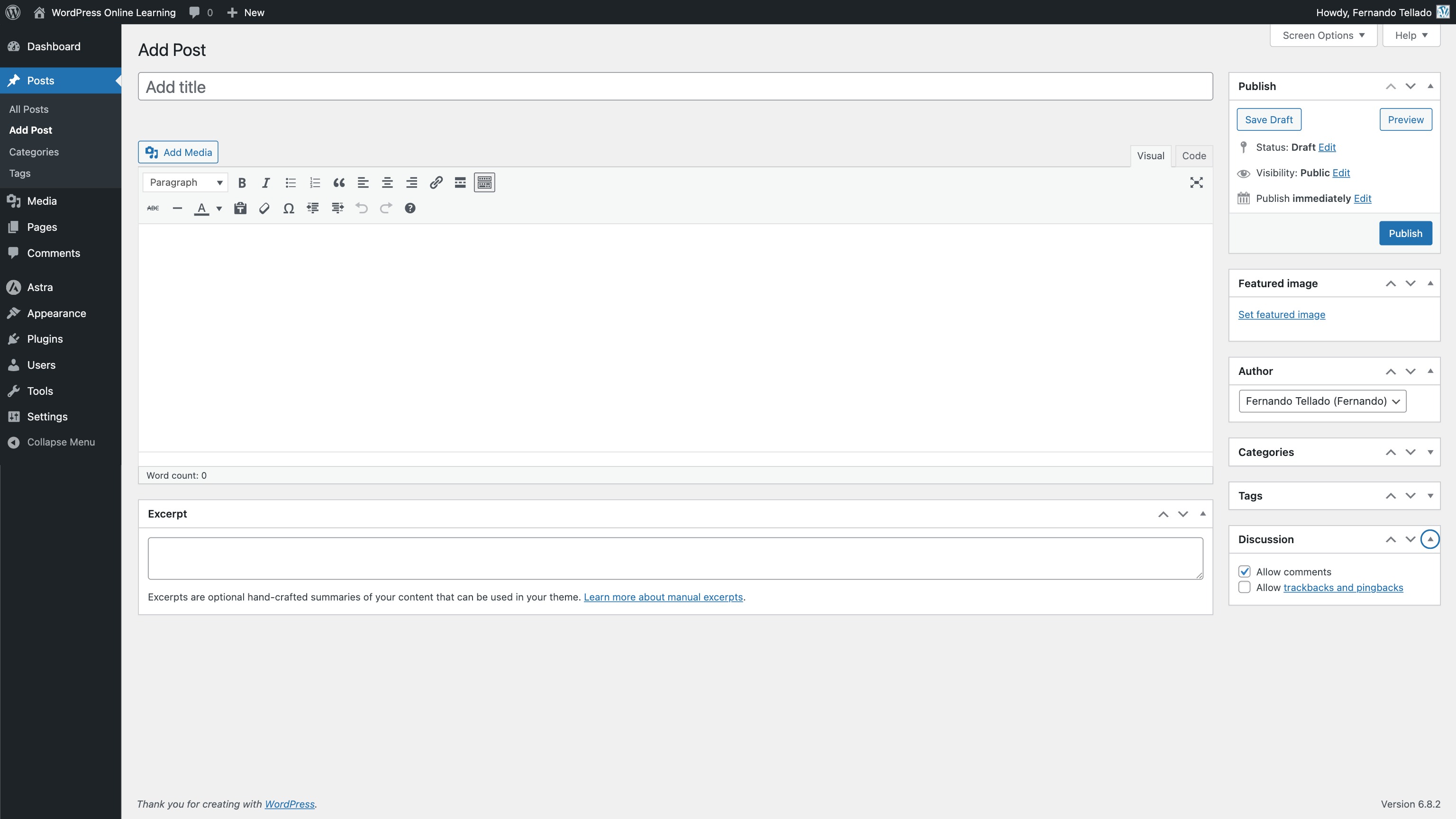
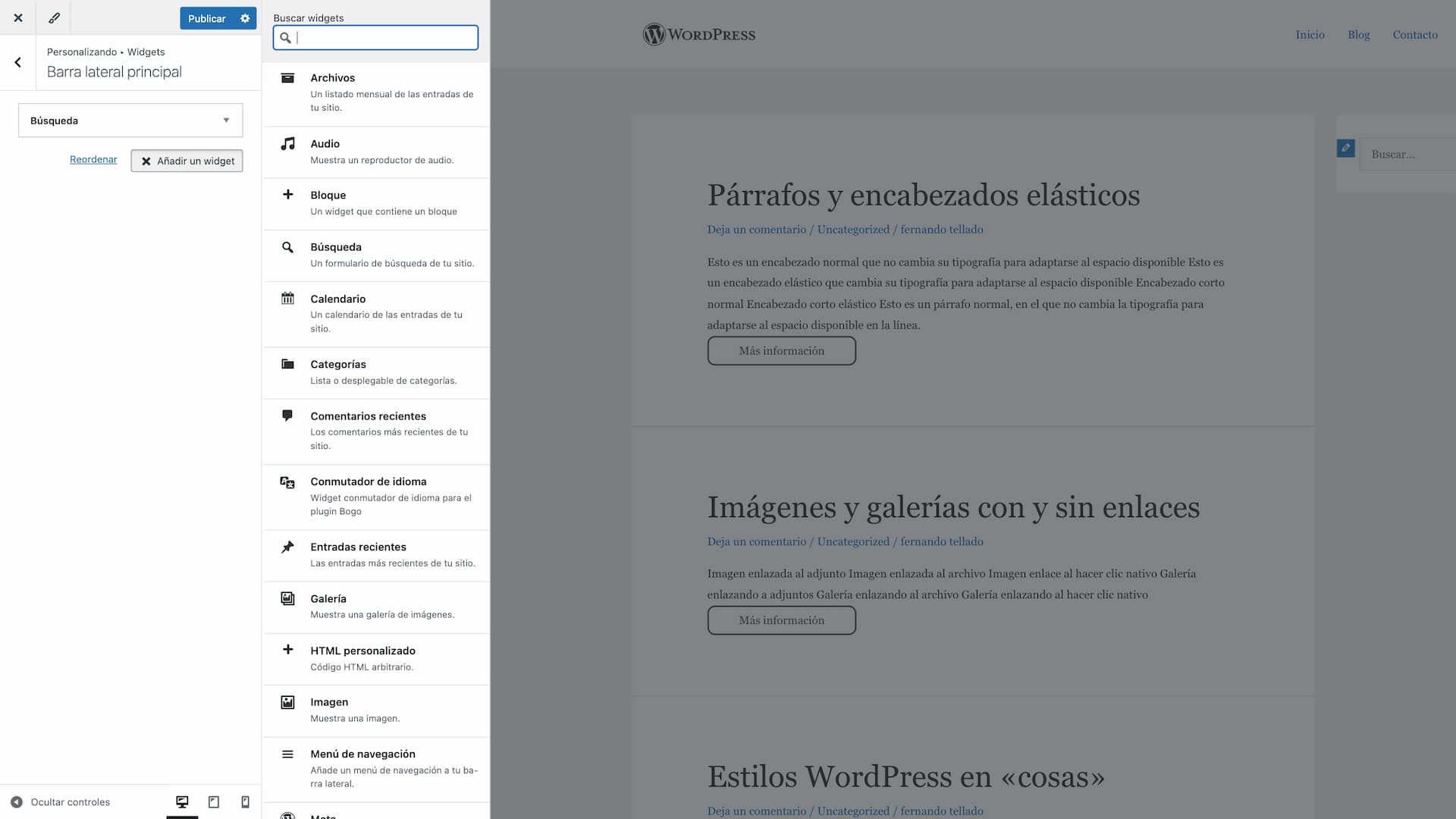
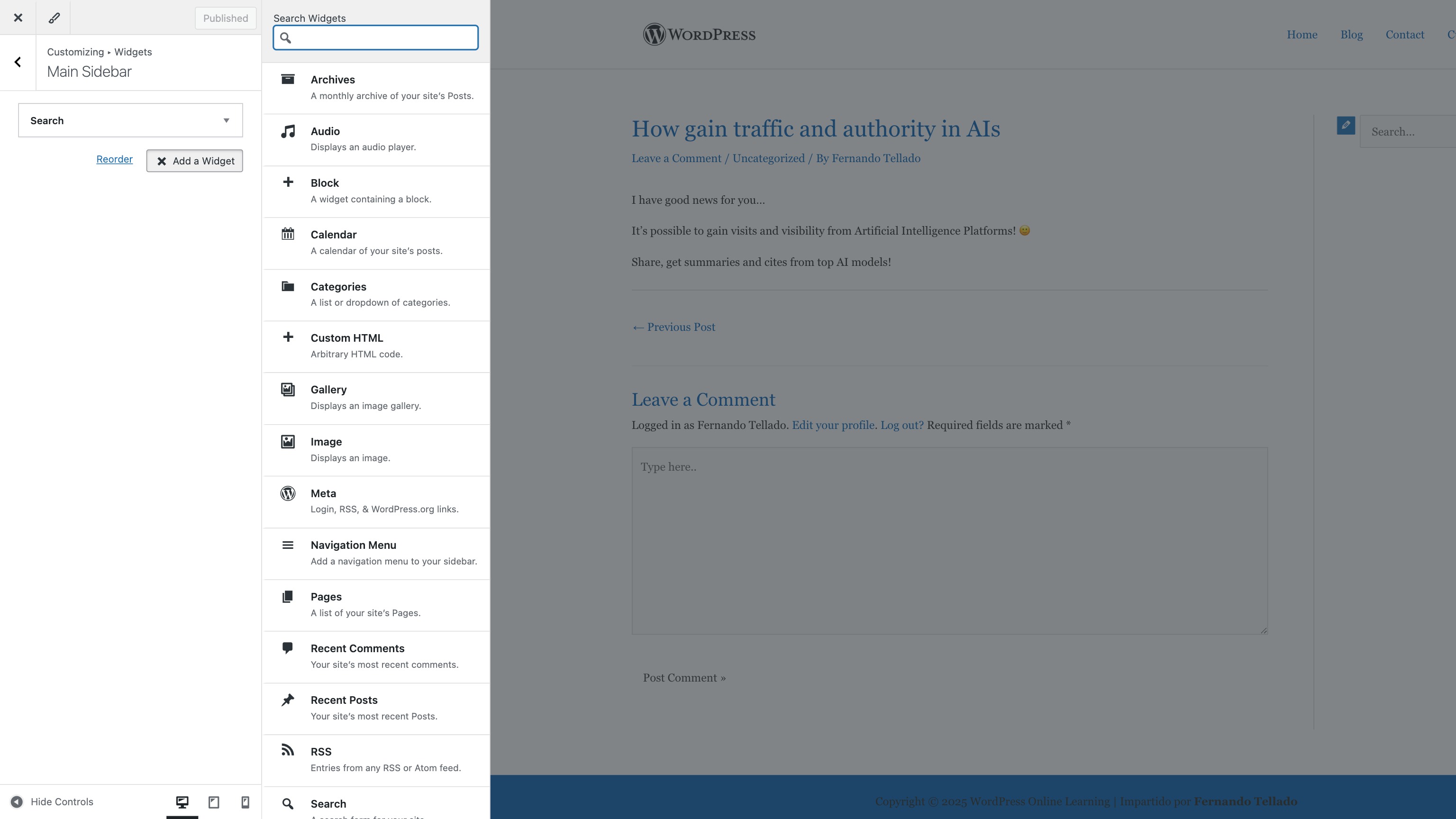

常见问题:
Do I have to configure anything?
No. Activating the plugin disables everything across the site. The settings page under Settings > No Gutenberg? is there only if you want to bring some part of the block editor back.
Can I disable Gutenberg only for some content or some people?
Yes. Go to Settings > No Gutenberg?, uncheck "Disable Gutenberg completely", and then choose where the block editor should go away: post types, user roles, page templates or individual entry IDs. Rules are independent, so anything that matches gets the Classic Editor and everything else keeps working as usual.
Can I disable just one part of Gutenberg?
Yes. Once the master switch is off, the site wide pieces are independent checkboxes, so you can, for example, restore the classic Widgets screen and remove the block patterns while leaving the editor itself alone.
If I only disable the editor for some content, what happens to the block styles?
That is exactly why the plugin unchecks the frontend block assets and theme.json options for you when you switch to a partial setup: the content that still uses blocks would lose its styles on the frontend. The status panel tells you how many of your published entries are built with blocks, so you can decide with real numbers.
Can I lock the configuration so a client cannot change it?
Yes, from wp-config.php. define( 'NO_GUTENBERG_LOCK_SETTINGS', true ); leaves Settings > No Gutenberg? visible but read only, and define( 'NO_GUTENBERG_HIDE_SETTINGS', true ); takes it out of the menu. To fix the configuration itself, and not only lock the screen, there is NO_GUTENBERG_OPTIONS. The description has the three of them together, with the settings you can fix and the details worth knowing.
Does it work on a multisite network?
Yes, and it is what the plugin is best at. Activate it site by site, or Network Activate it and it runs on every site of the network. Settings are stored per site, so each site has its own Settings > No Gutenberg? and each site administrator manages their own. For the whole network at once, the place is wp-config.php, the same file every site reads: what you define there reaches all of them, covers every setting the plugin has and wins over whatever each site has stored. There is no network settings screen, because that file does the job for the entire network in a couple of lines. They are in the description, under "One configuration for a whole network, or for a site you deliver".
Can I open one entry with the other editor?
Yes. In the post types table there is a second column, "Let each entry switch": check it for the post types where it makes sense. Those entries then get "Edit (Classic)" and "Edit (Blocks)" links in the list and a switch inside both editors, and each one remembers the editor you chose for it.
Does this work with WooCommerce?
Yes. Products behave like any other post type: with the master switch on, or with Products checked in the rules, the classic product editor is forced and the WooCommerce block assets are removed from the frontend. If you leave blocks on for products, the block based product editor keeps working, without a separate setting contradicting it.
Will this break my existing content?
No, and the plugin goes out of its way to keep it that way. It never rewrites a single entry, and an entry that is already built with blocks keeps the block editor whatever the rules say, so nothing you set here can send it to an editor that would reflow its markup. The entries list labels those entries and can be narrowed down to them, so you can see exactly what you have. There is one visible change on the frontend: with the frontend block assets removed, content built with blocks loses the block styles. The status panel tells you how many entries are affected before you decide.
I want the Classic Editor on everything, block content included. Can I?
Yes. Uncheck the content protection under the master switch, on the settings page. From that point the rules apply to every entry, and the plugin warns you inside the Classic Editor whenever you open one that is built with blocks, because saving it there can break its blocks.
What happens if I deactivate the plugin?
Everything comes back immediately: the block editor, Global Styles, the patterns and the block assets. Your content is exactly as it was, because the plugin never rewrote any of it.
Is this compatible with my theme and my plugins?
With classic themes, and with plugins that do not depend on blocks, yes: it removes block features instead of fighting them for control. Block themes are the exception, and there is a question about them right below. A plugin that registers blocks of its own keeps working, but those blocks lose their styles on the frontend if you remove the block assets, which is what the status panel is there to warn you about.
Can I use it with a block theme?
You can, but block themes are built around the very features this plugin removes, so their Site Editor and template editing will not work while it is active. The plugin warns you when it detects a block theme. If you need that theme, switch off the Site Editor and theme.json modules on the settings page, or use a classic theme instead.
Why choose this over other similar plugins?
Because it does not stop at the editor. Others disable the block editor and leave the rest running: this one also removes the FSE Global Styles, the block widgets, the patterns, the WooCommerce blocks and the block CSS and JavaScript that every page of your site is loading. It also tells you what it is doing, with a status panel measured on your own site instead of a list of promises. And on a multisite network it is configured for every site at once from a single file, all of it, not only which editor opens.
更新日志:
- Fix: Sites running Divi 5 got a fatal error on every frontend page. Removing the block widgets from the classic Widgets screen unregistered the Block widget itself, and Divi asks WordPress for it while deciding which stylesheets a page needs. The classic Widgets screen is restored the same way as before, without touching the widget
- Fix: Block widgets already saved on a site stopped being rendered on the frontend and disappeared from the Widgets screen. Nothing was lost, they are back on update, but do not save the Widgets screen while running 2.3.1
- Fix: Removed a filter removal that never did anything: the callback it named was never part of WordPress
- Fix: The status panel said "1 still added by other plugins" when a single pattern was left, and gave translators two identical plural forms
- Improved: Tested up to WordPress 7.1, with no changes needed. The always iframed post editor, the persistent toolbar and the new client-side media processing headers only reach the block editor, and the Site Editor, Patterns and Fonts screens this plugin removes keep the same slugs
- Improved: The plugin calls itself No Gutenberg? everywhere now, the same name it has on WordPress.org, instead of No Gutenberg in the plugins list, the Settings menu, its settings screen and its notices
- Fix: Pages were loading the block styles and scripts of every plugin that registers blocks, even where no block appears. Removing the block CSS also turned off the on-demand loading that WordPress 6.8 tied to the same switch, so on a site with block plugins installed this plugin was adding weight instead of saving it
- Fix: The Block widget is now really gone from the classic Widgets screen. The cleanup ran after WordPress had already registered it, so it stayed on the list
- New: Existing block content is protected. An entry that already contains blocks keeps the block editor whatever the rules say, so installing the plugin on a site with mixed content no longer sends that content to an editor that reflows its markup. A checkbox under the master switch gives the protection up when you really want the Classic Editor on everything
- New: The entries list says which editor each entry opens with, and flags the entries built with blocks that are opening in the Classic Editor. A "Built with blocks" link next to All and Published narrows the list down to them, so you can finally see which entries they are instead of only how many
- New: The Classic Editor warns you when the entry you are editing is built with blocks, before you save it, with a link to open it in the block editor instead
- Improved: The editor chosen for a single entry is now honored whatever the configuration is, master switch included. It used to be read only where per entry switching was enabled, which left no way out on a site with everything disabled
- Improved: Sites arriving from the Classic Editor plugin keep the editor it recorded for each entry, instead of starting from zero
- Improved: The status panel counts drafts, pending, private and scheduled entries too, not only published ones, and links to the entries it is counting. A site in the middle of a migration was being told it had no block content
- Improved: The activation notice says how many entries are built with blocks and what is going to happen to them
- Fix: Uninstall now also removes the version option, the per entry editor meta and the content count transients For older changelog entries, please check the changelog.txt file