
App for Cloudflare®
| 开发者 | digitalpoint |
|---|---|
| 更新时间 | 2026年2月18日 08:00 |
| 捐献地址: | 去捐款 |
| PHP版本: | 5.4.0 及以上 |
| WordPress版本: | 6.9 |
| 版权: | GPLv3 |
| 版权网址: | 版权信息 |
详情介绍:
- Cache HTML at network edge
- Preload JavaScript and CSS
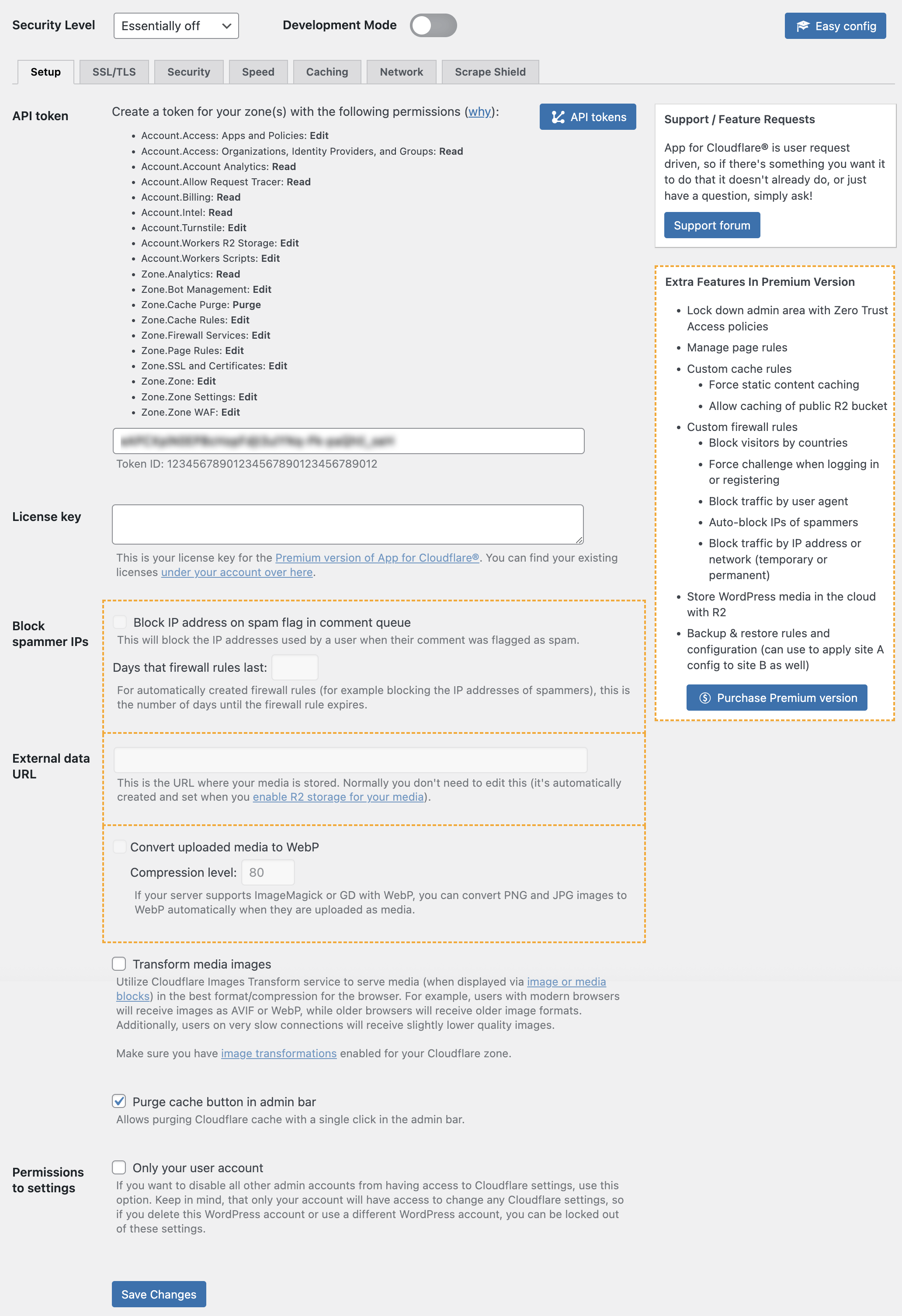
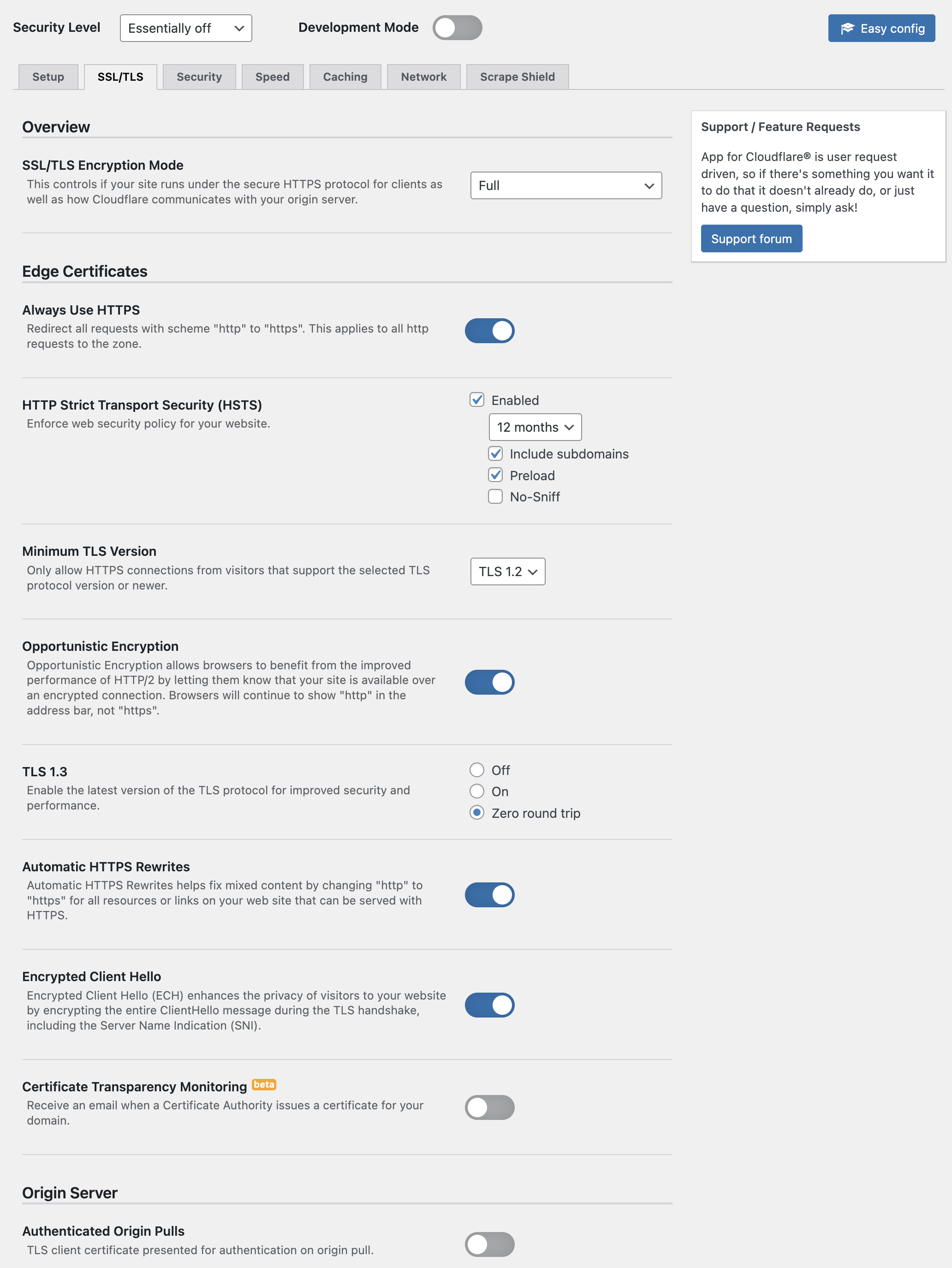
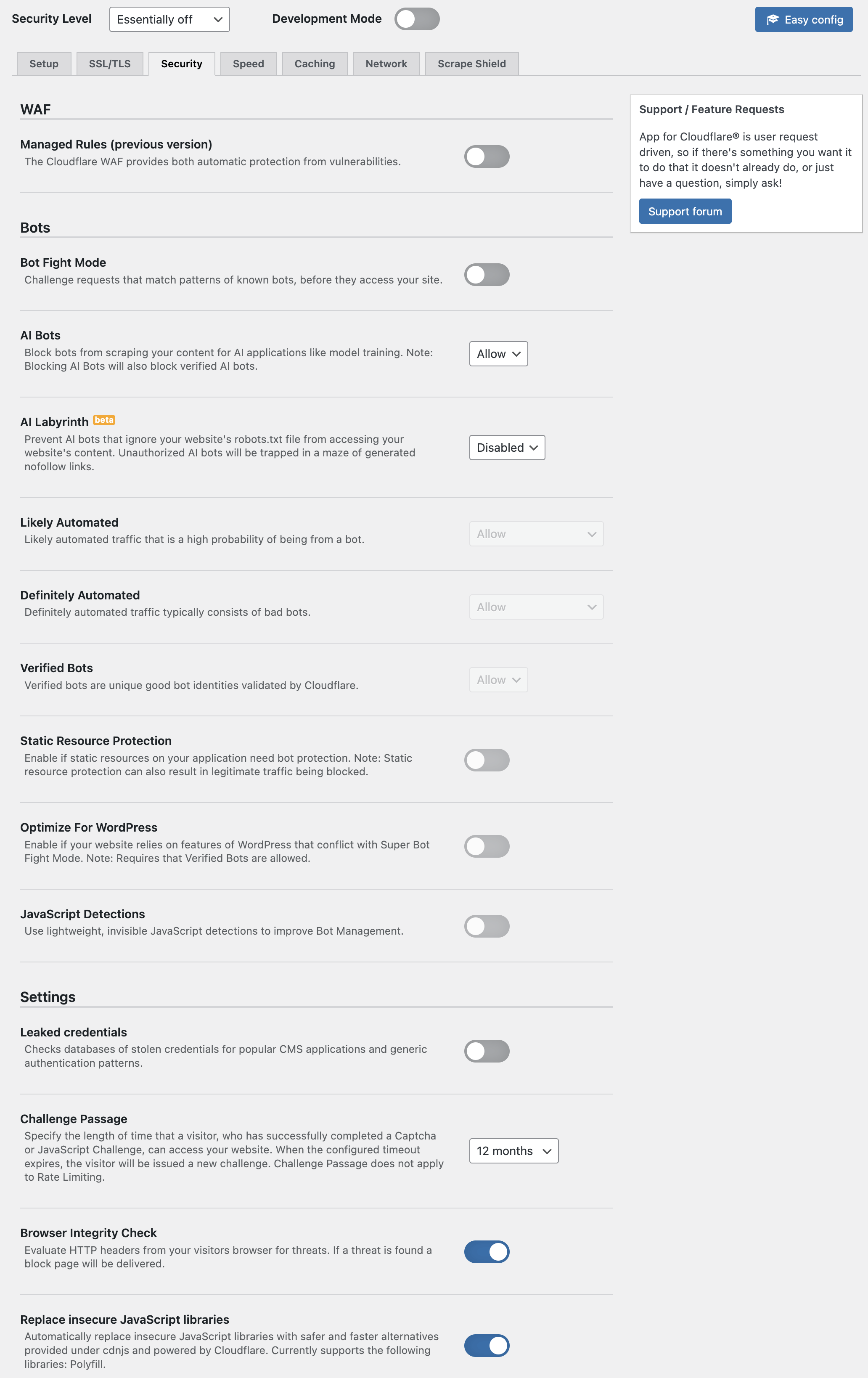
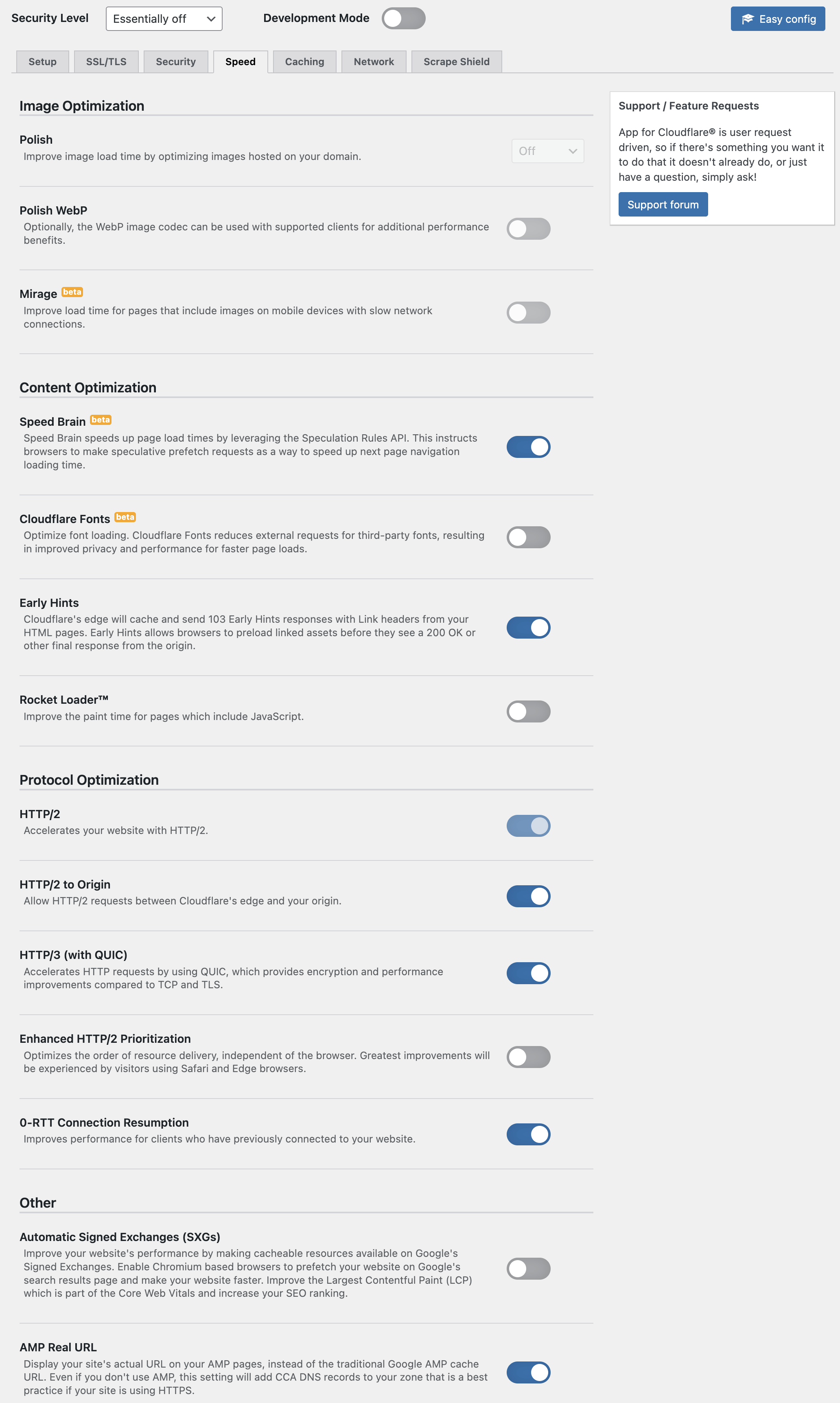
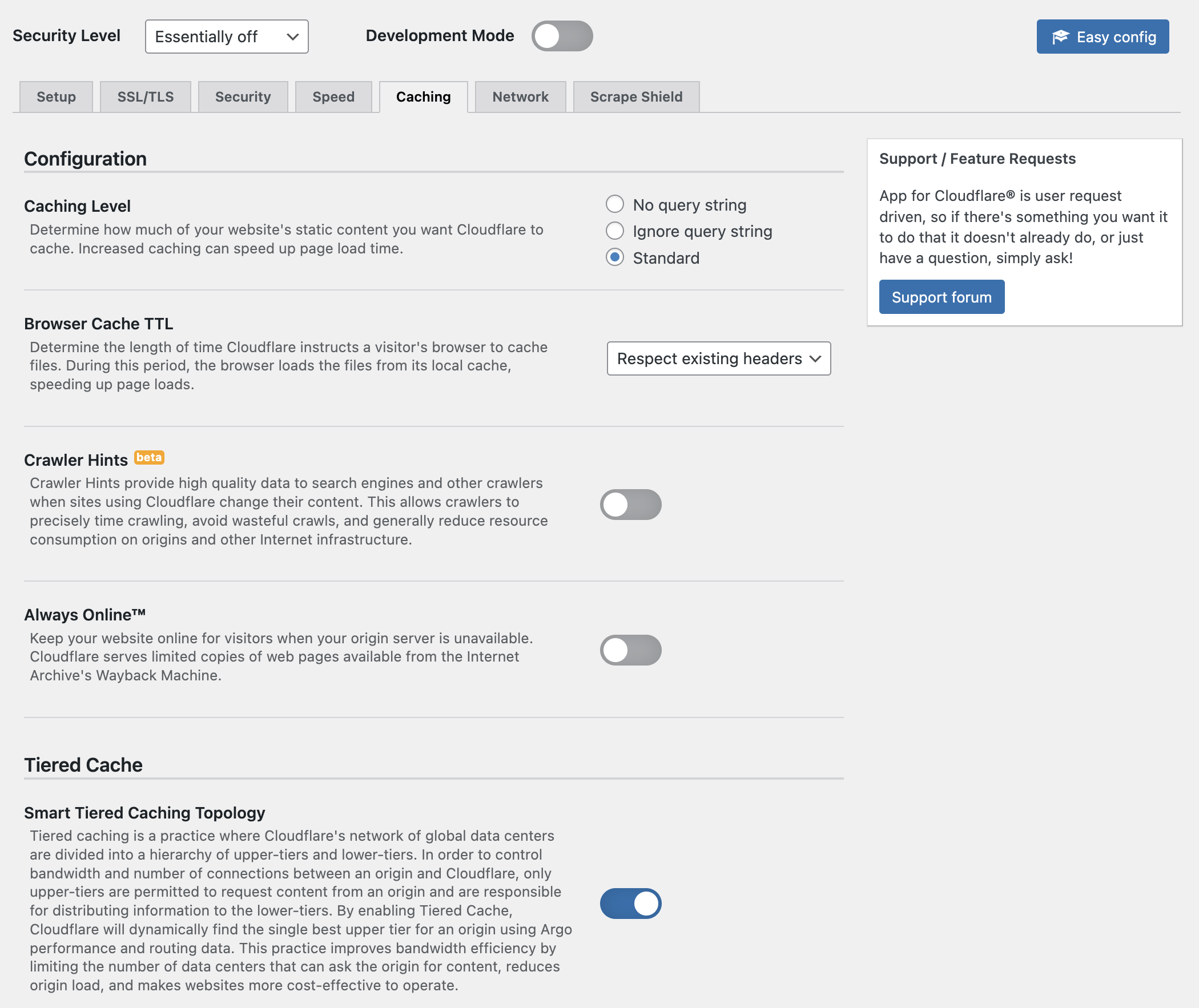
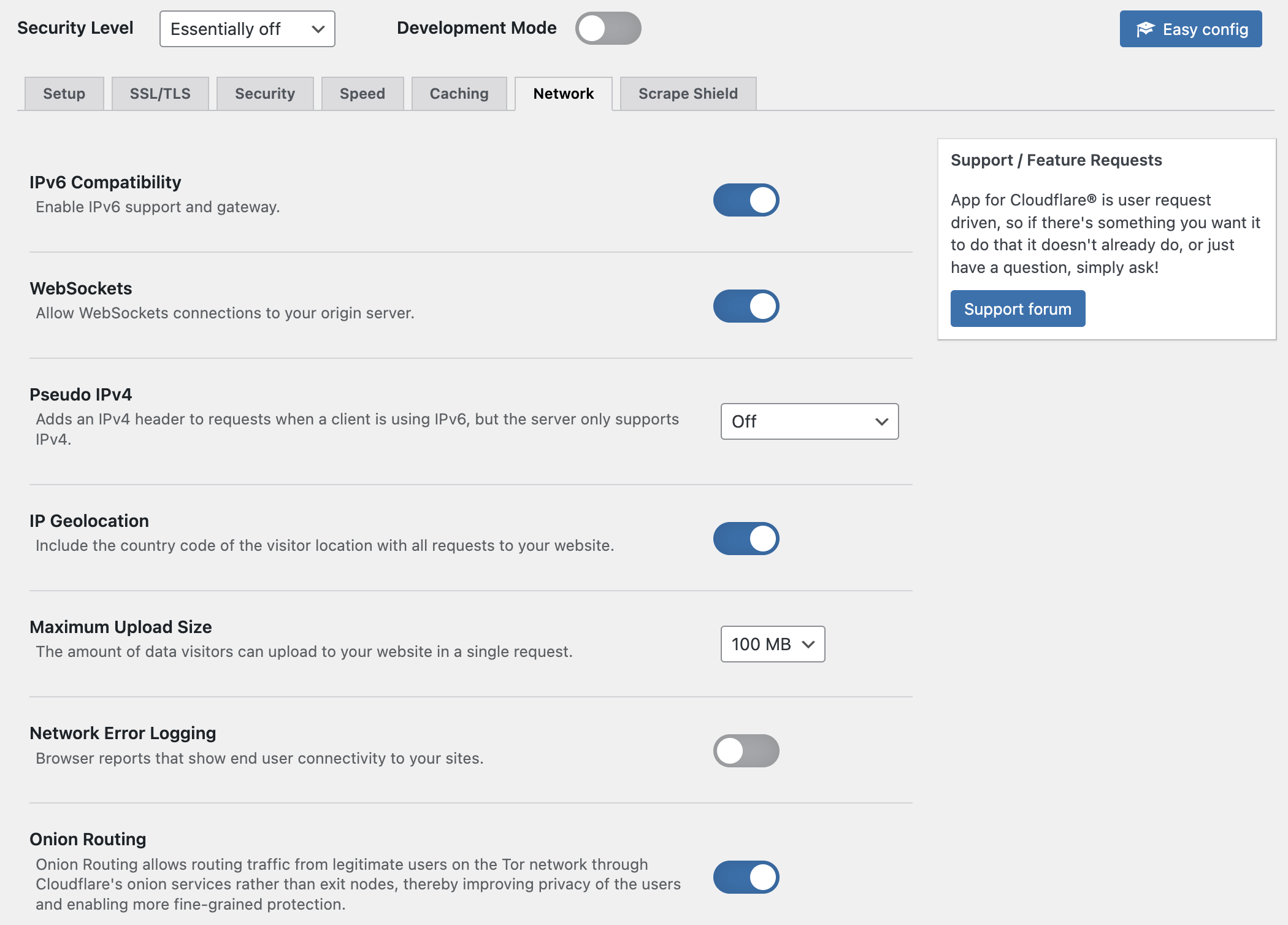
- View/set all Cloudflare settings
- Fixes Cloudflare Flexible SSL redirect loops
- Fixes situation when IPs are coming through as Cloudflare IPs rather than user IPs
- Cloudflare web analytics support
- Cloudflare analytics on dashboard
- Purge cache
- Automatic image transformations (automatically serve AVIF/WebP versions to browsers that support them)
- Turnstile CAPTCHA system for registrations, logins, password reset, comments and/or third party plugins
- View Page rules, Cache rules, Firewall rules, IP Address rules, User Agent rules
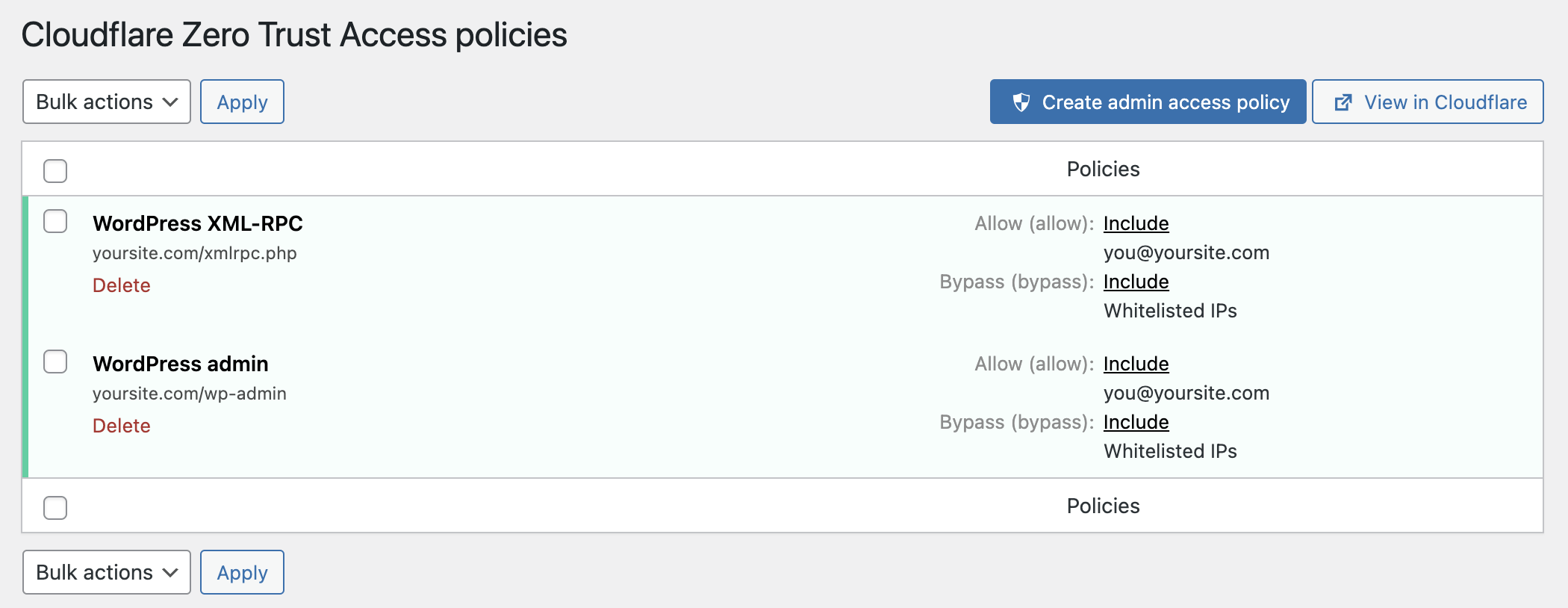
- View Zero Trust Network Access setup
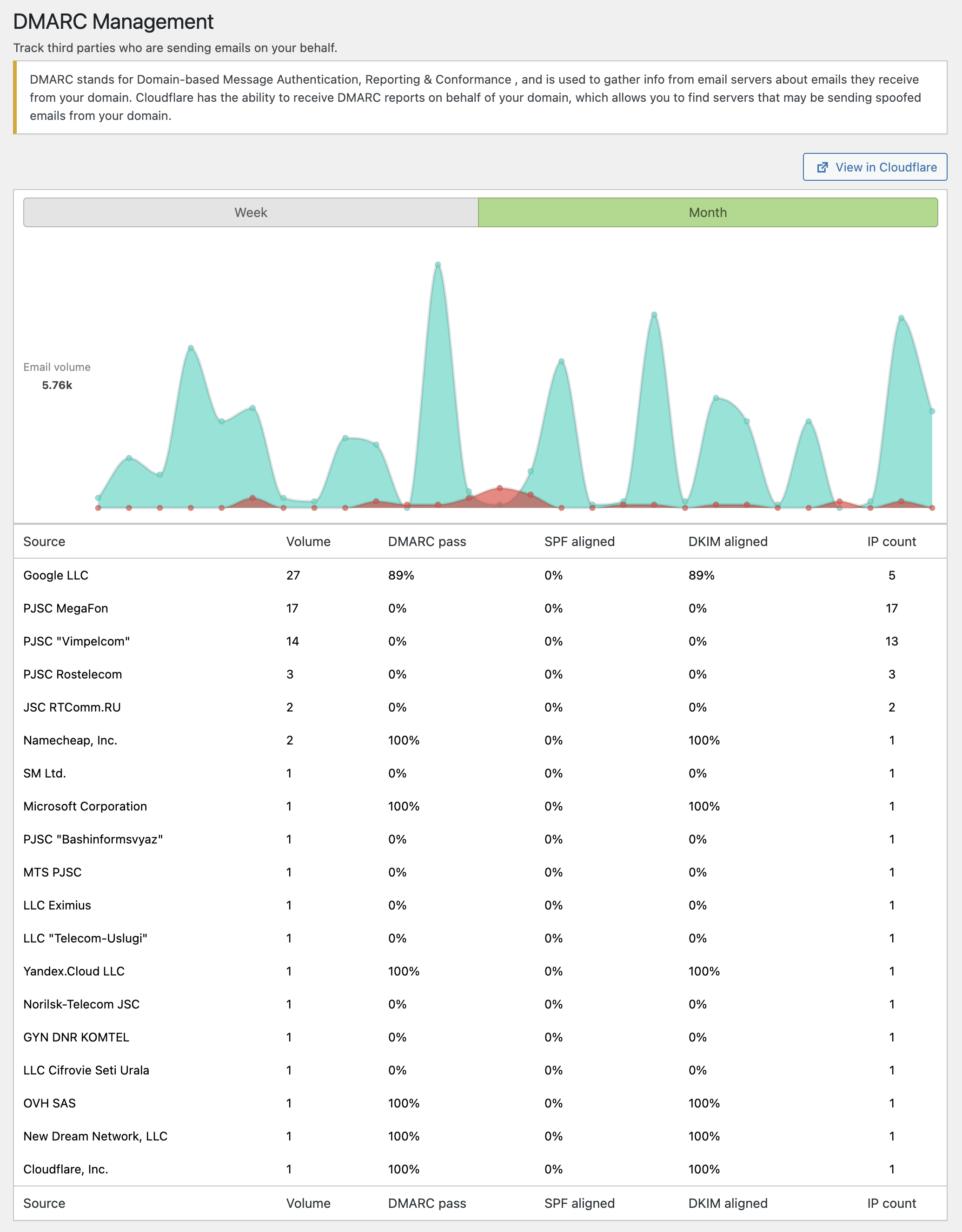
- View DMARC statistics
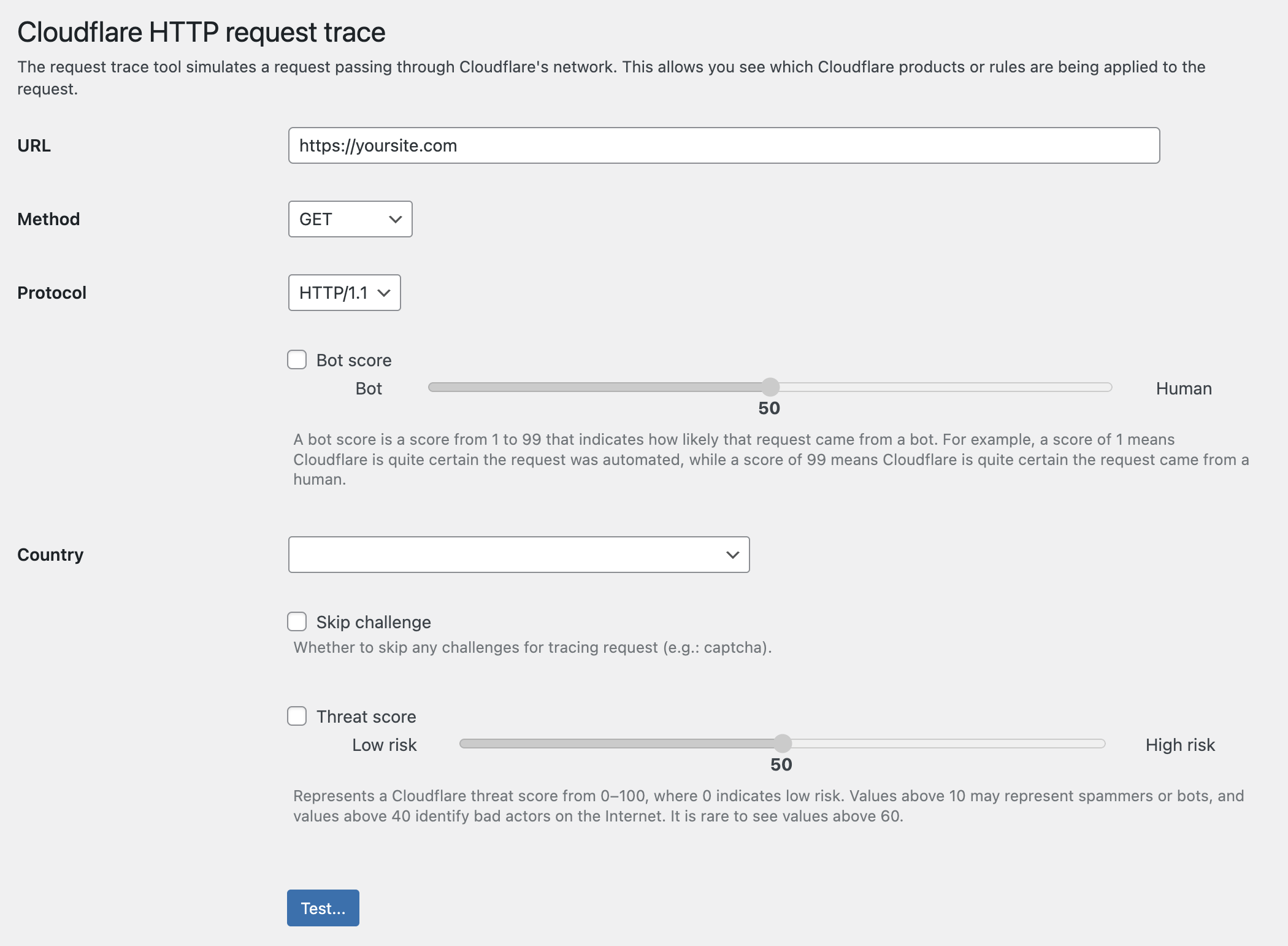
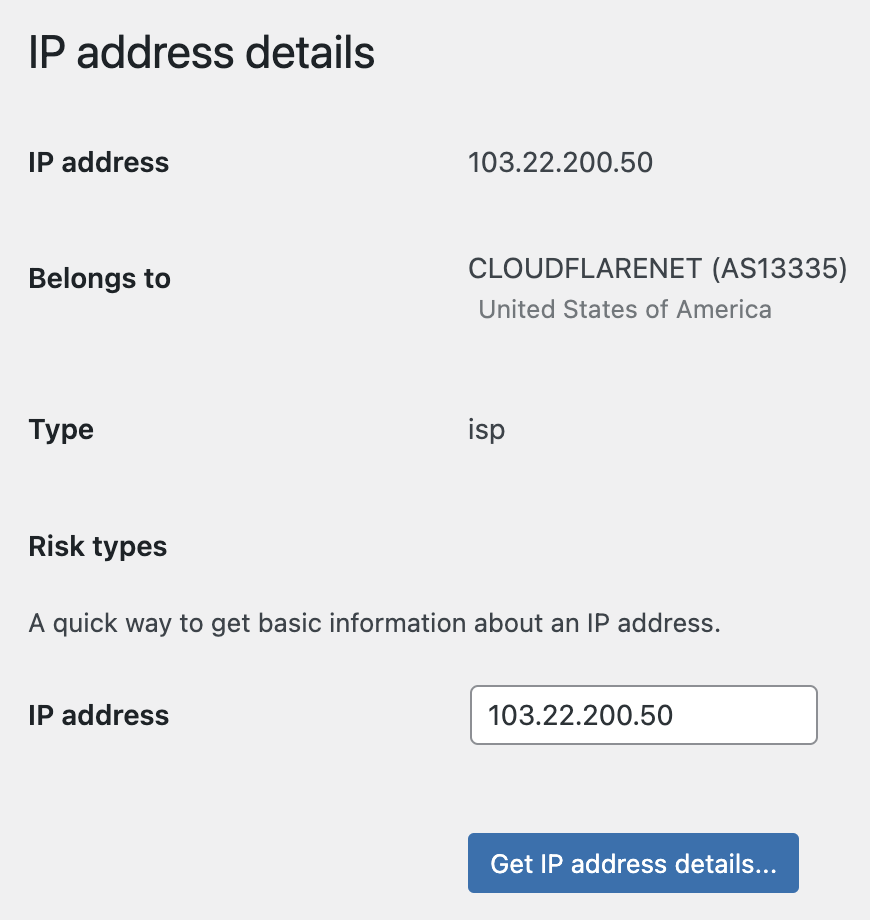
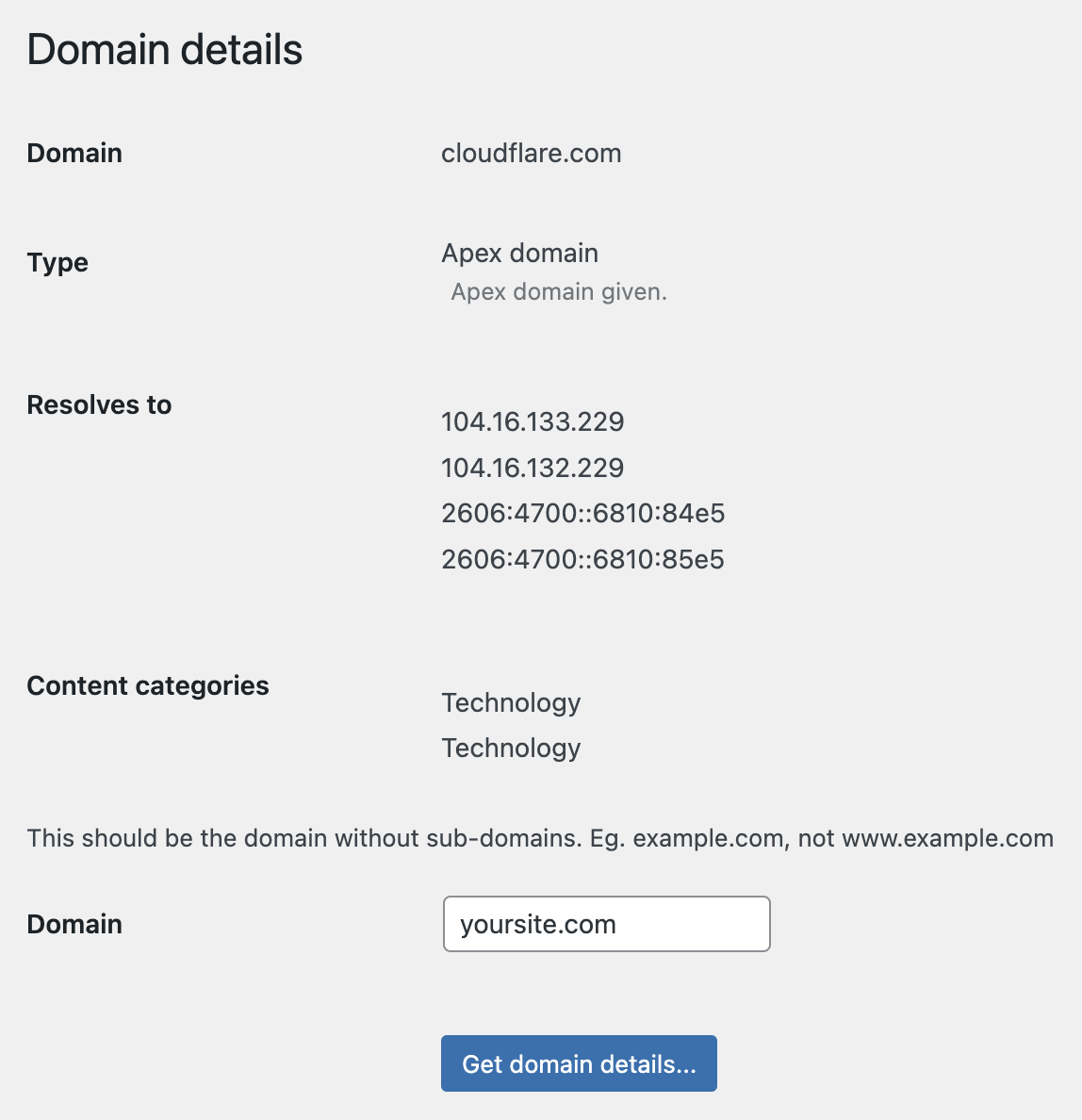
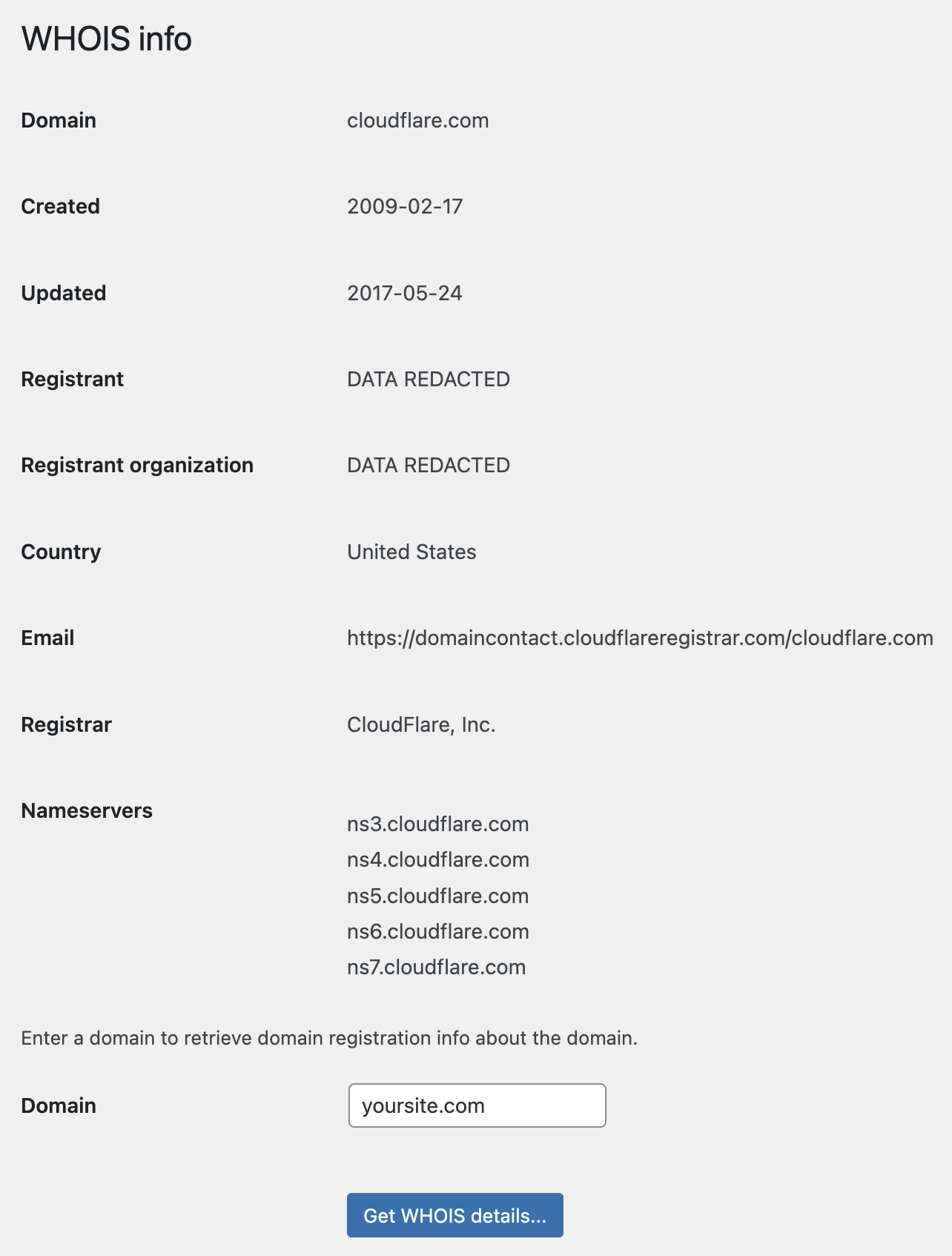
- Included tools: HTTP request trace, IP address details, domain details, WHOIS
- Page rules
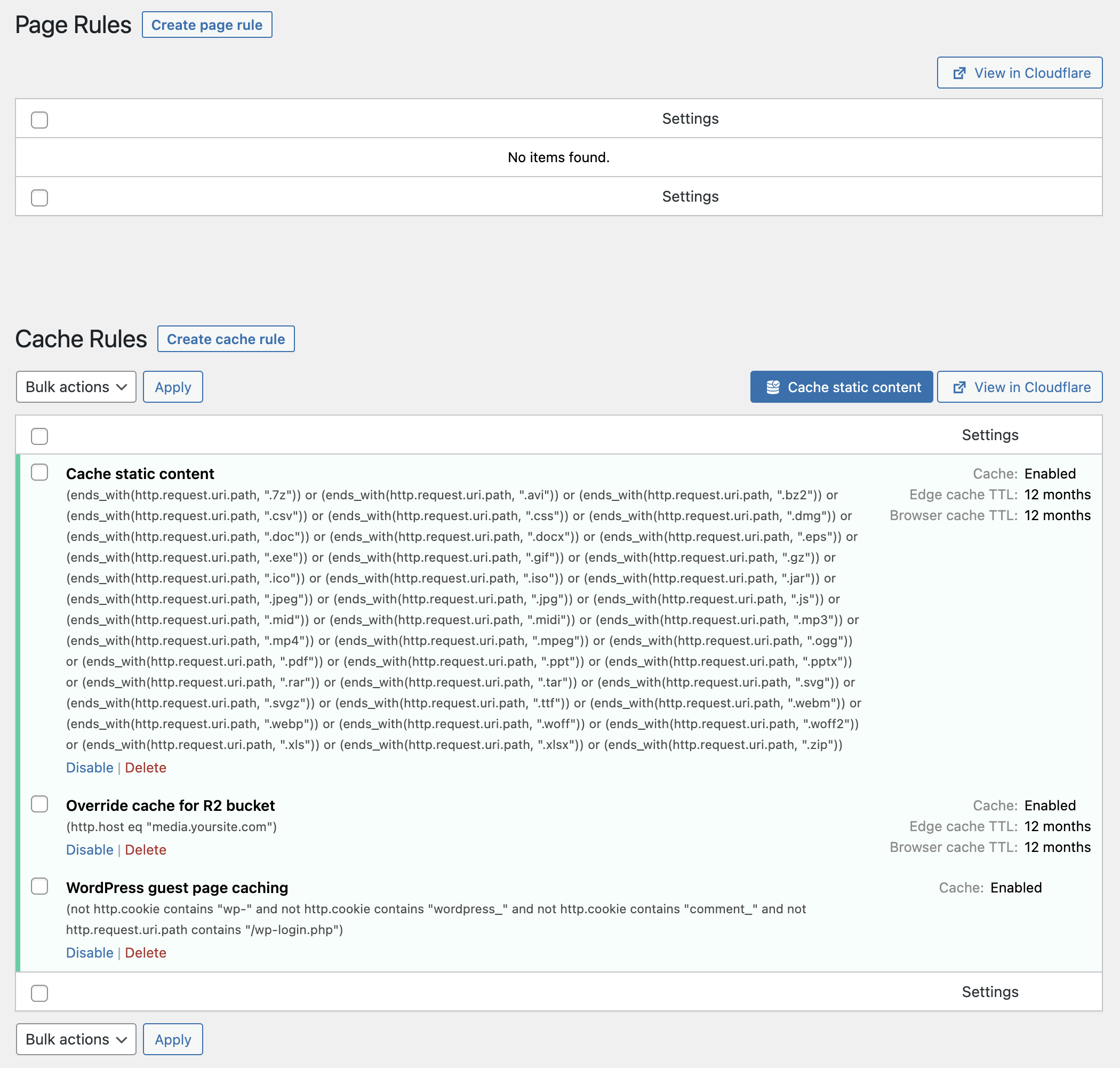
- Cache rules
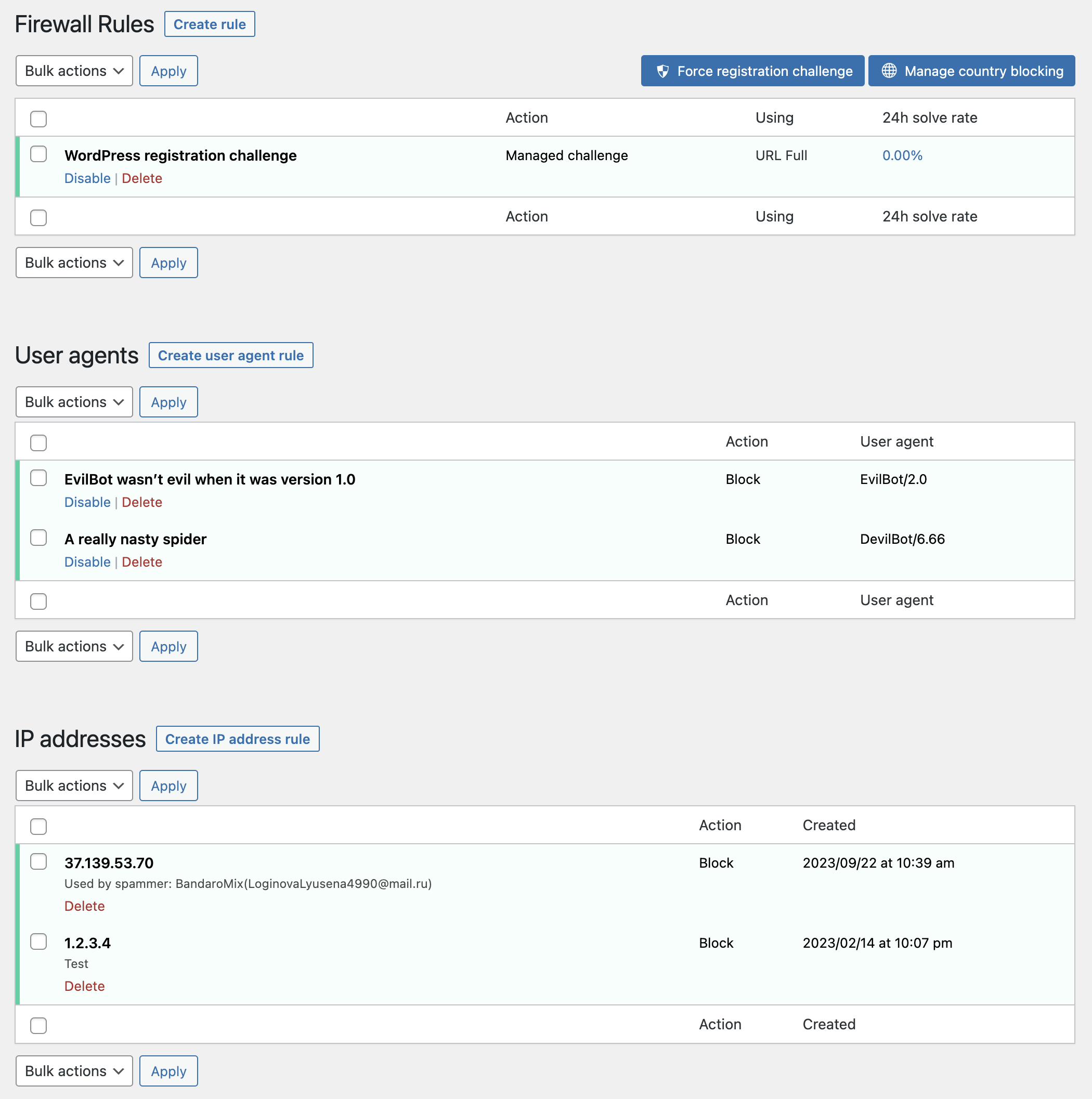
- Firewall custom rules
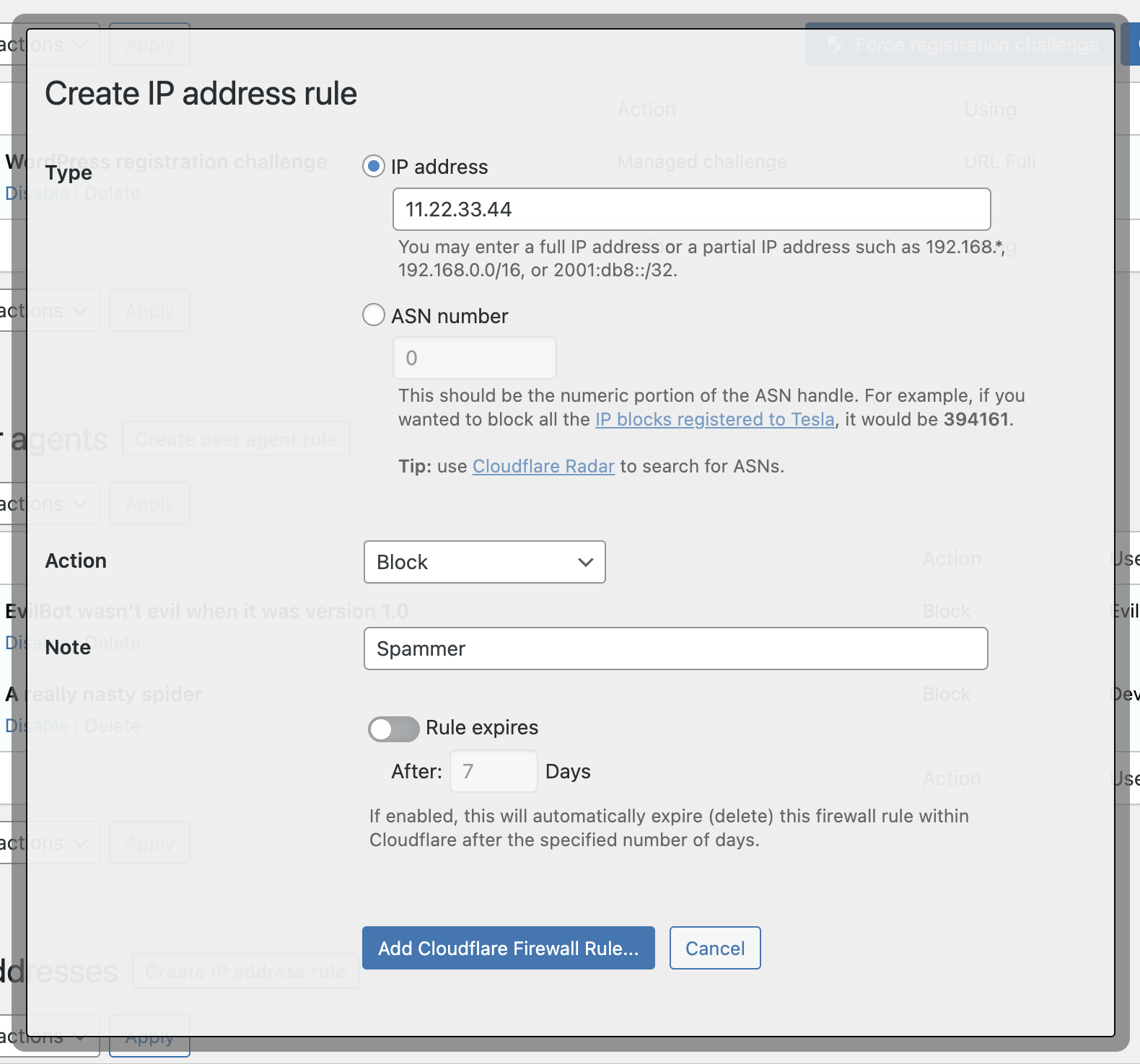
- IP address rules
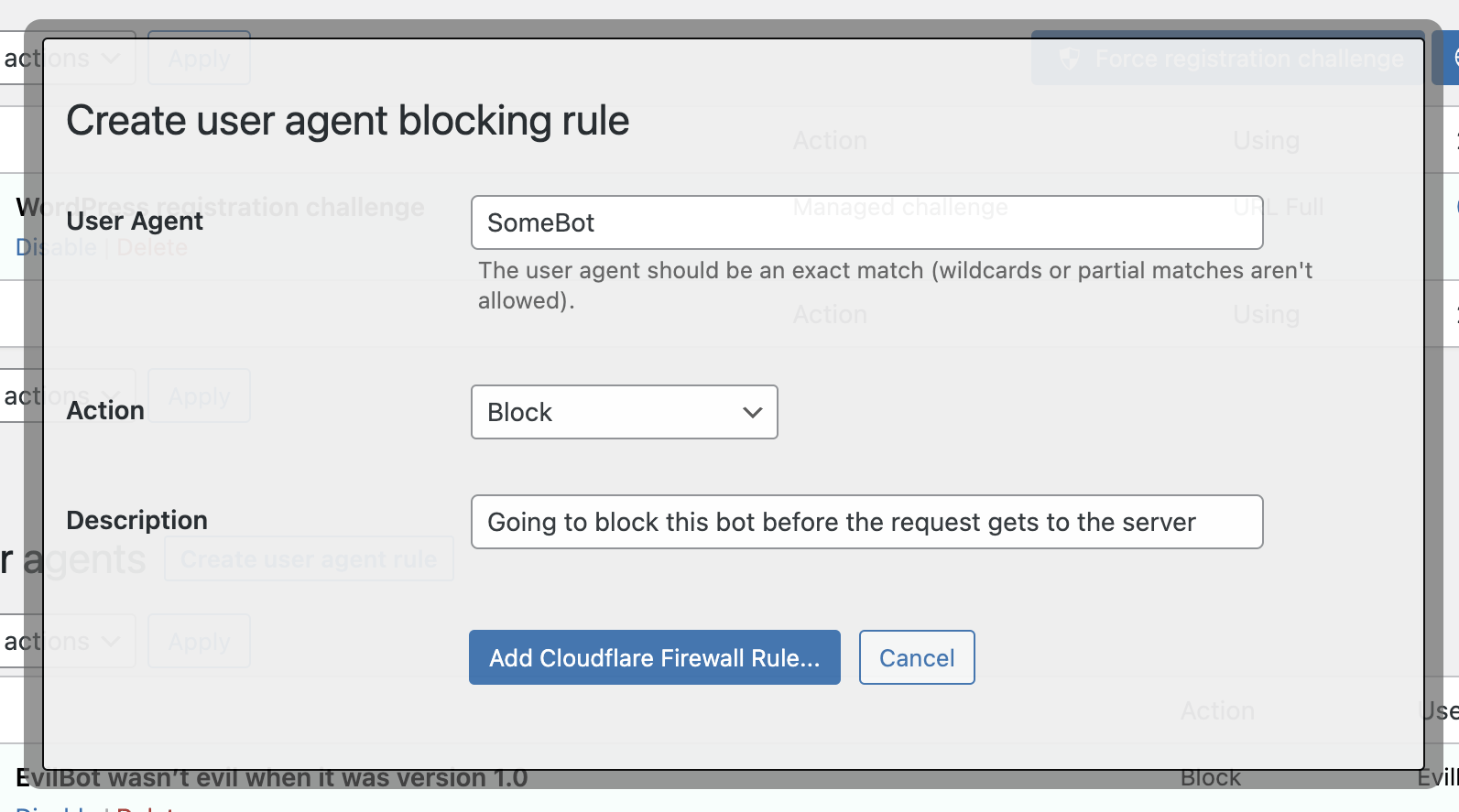
- User agent blocking
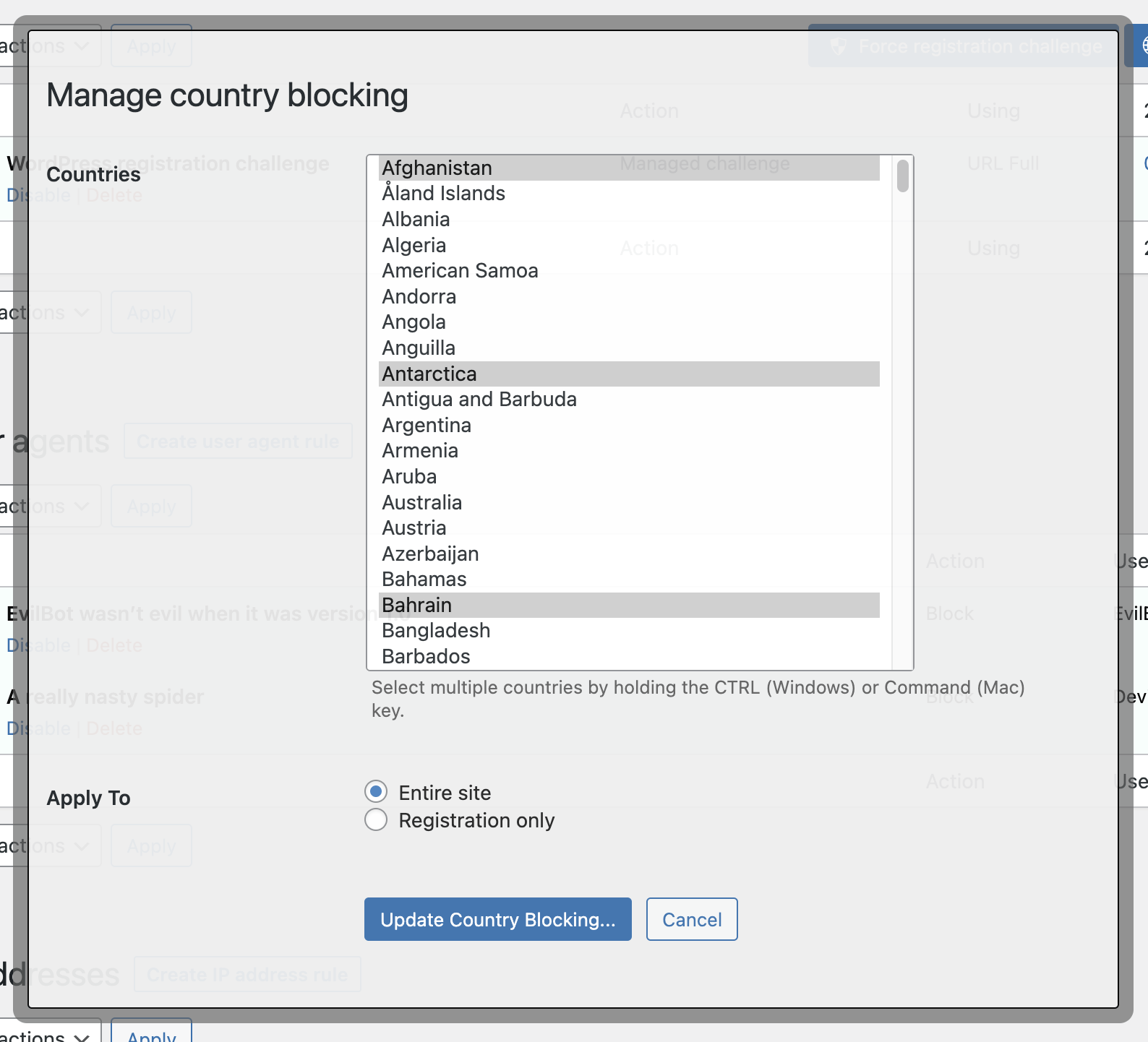
- Block traffic from certain countries (or Tor exit nodes widely used by spammers and hackers)
- Block AI scrapers & crawlers (block bots from scraping your content for AI applications like model training)
- Force a challenge before users can register (bot/spammer mitigation)
- Cache static content
- Automatically block the IP address(es) of spammers for a period of time
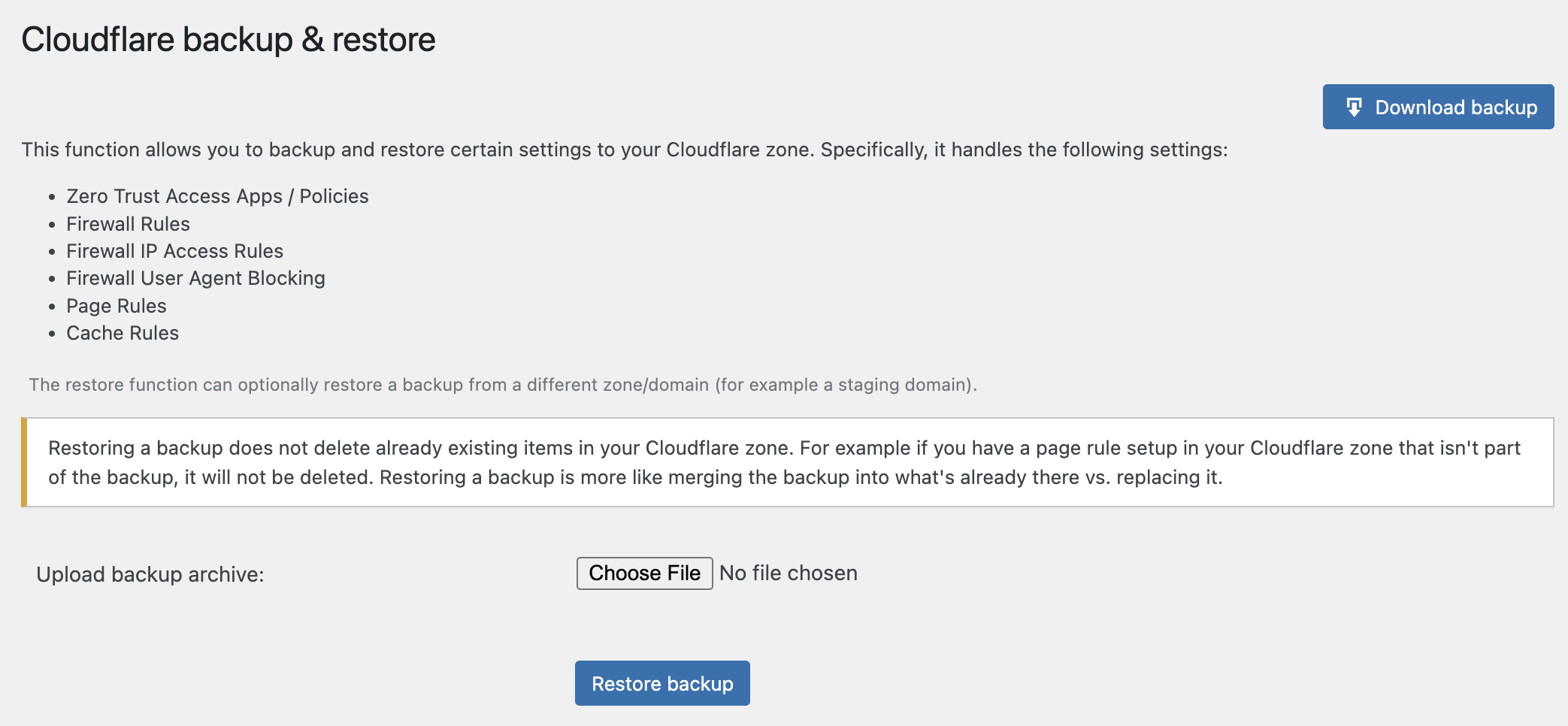
- Zero Trust Access Policies
- Firewall Rules
- Firewall IP Access Rules
- Firewall User Agent Blocking
- Page Rules
- Cache Rules
- API calls are done exclusively through API Tokens (with the minimum required permissions) and not a Global API Key. Global API Keys are an incredibly bad idea from a security standpoint.
- Ability to purge Cloudflare cache from WordPress admin (or via WP-CLI).
- Ability to copy Cloudflare zone settings from a different zone on the same Cloudflare account.
- Cached pages are automatically purged when a post/page is edited (just the necessary pages, not all pages). Stale content is not served to users.
- Ability to designate an individual admin user to manage settings (maybe you don't want all admins to have the ability to change things in Cloudflare).
- Ability to use WordPress filters to add your own logic to things (for example, maybe you don't want to cache a certain page or post for whatever reason).
- All JavaScript is native (no dependencies on jQuery or anything else).
- No third-party PHP libraries used (no dependencies on other libs).
安装:
- Navigate to "Plugins" -> Add New
- Search for
App for Cloudflare - Activate App for Cloudflare® from your Plugins area
- Download App for Cloudflare®
- Upload the
app-for-cfdirectory to your/wp-content/plugins/directory - Activate App for Cloudflare® from your Plugins area
屏幕截图:

常见问题:
How does the Guest Page Caching work?
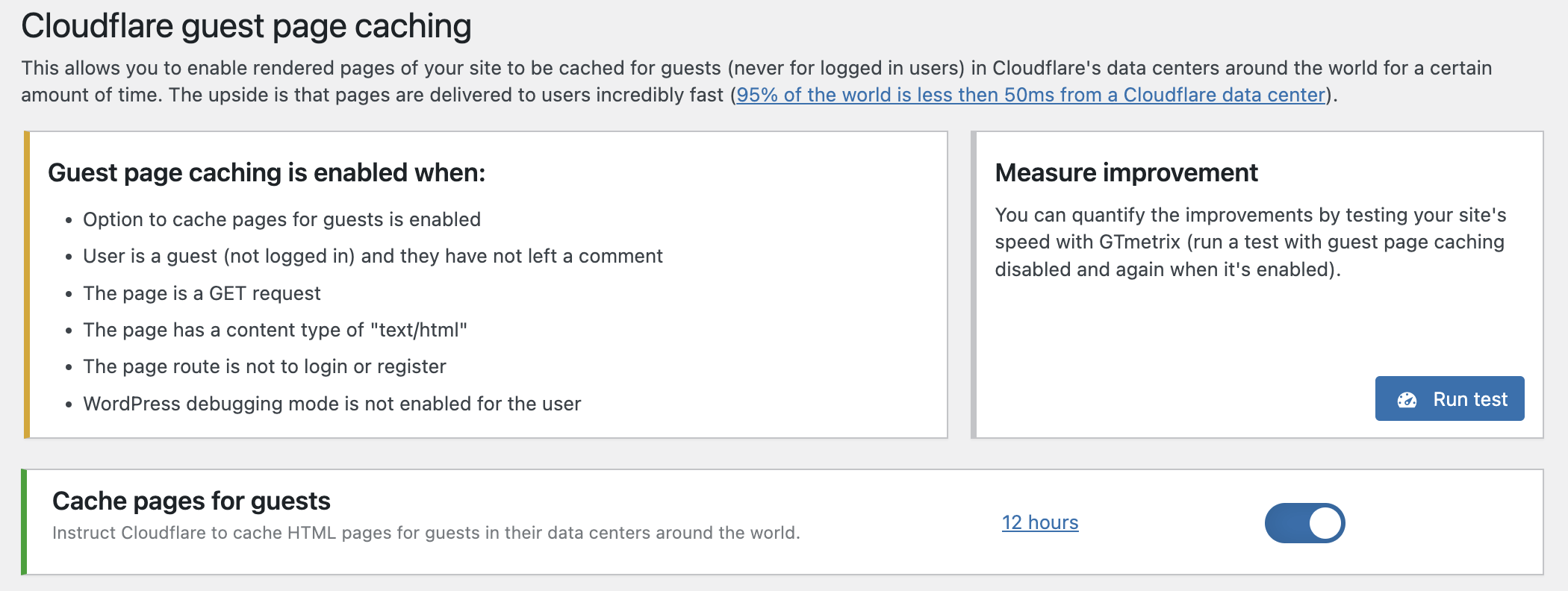
It's done by using a Cloudflare Cache Rule that makes HTML pages eligible to be cached. Making a page eligible doesn't necessarily make it always cached (for example if a user is logged into the site or the request is a POST, you wouldn't want the page to be cached). No need for any kludgey cache busting mechanism that alters your URLs. This allows it to be done in a "clean" way, without the need for Cloudflare's Automatic Platform Optimization (APO) plugin/subscription (normally $5/month for Cloudflare Free plans). It also does not require the added complexity or expense of Workers (Workers are billed per request). Additionally it does not require the use of a Page Rule slot on your Cloudflare zone. This plugin can do Guest Page Caching for free, for everyone.
How can I test improvements on my site when using Guest Page Caching?
An easy way to test it is with a testing tool like GTmetrix. Test it without Guest Page Caching enabled and test it again with Guest Page Caching enabled and compare the results.
If you are a little more technical, you can look at the cf-cache-status HTTP header on the page request. If you see a value of HIT, the request is being successfully being served from Cloudflare's edge cache.
If you want to compare the speed of WordPress sites from different cities, try these:
- Matt Mullenweg (not using this plugin)
- Shawn Hogan (using this plugin)
Does this work with multisite networks?
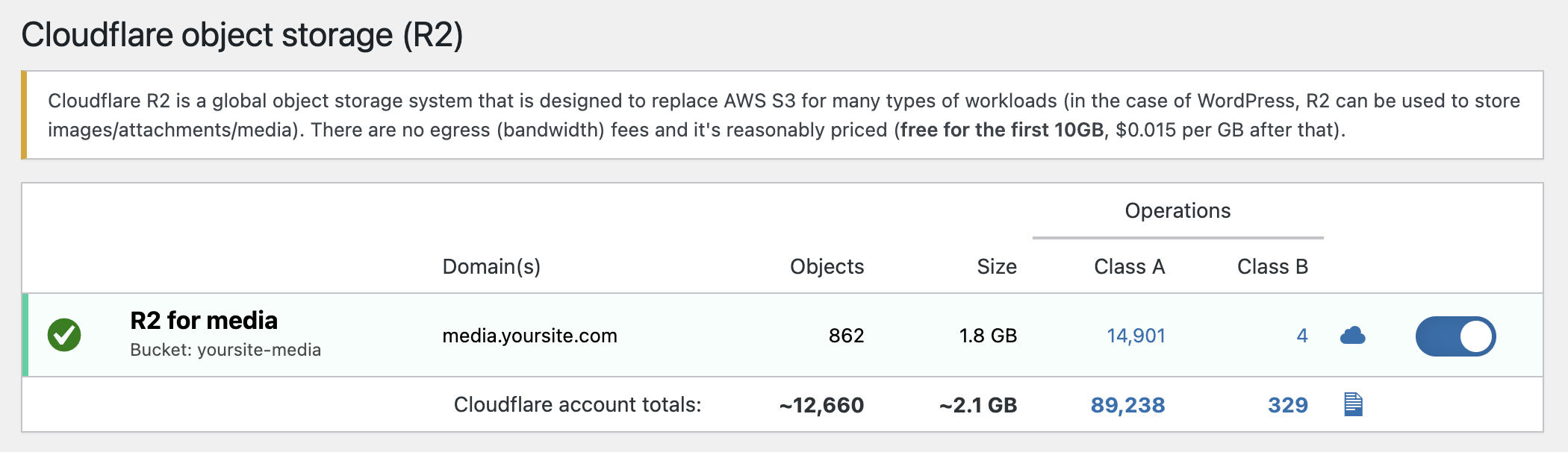
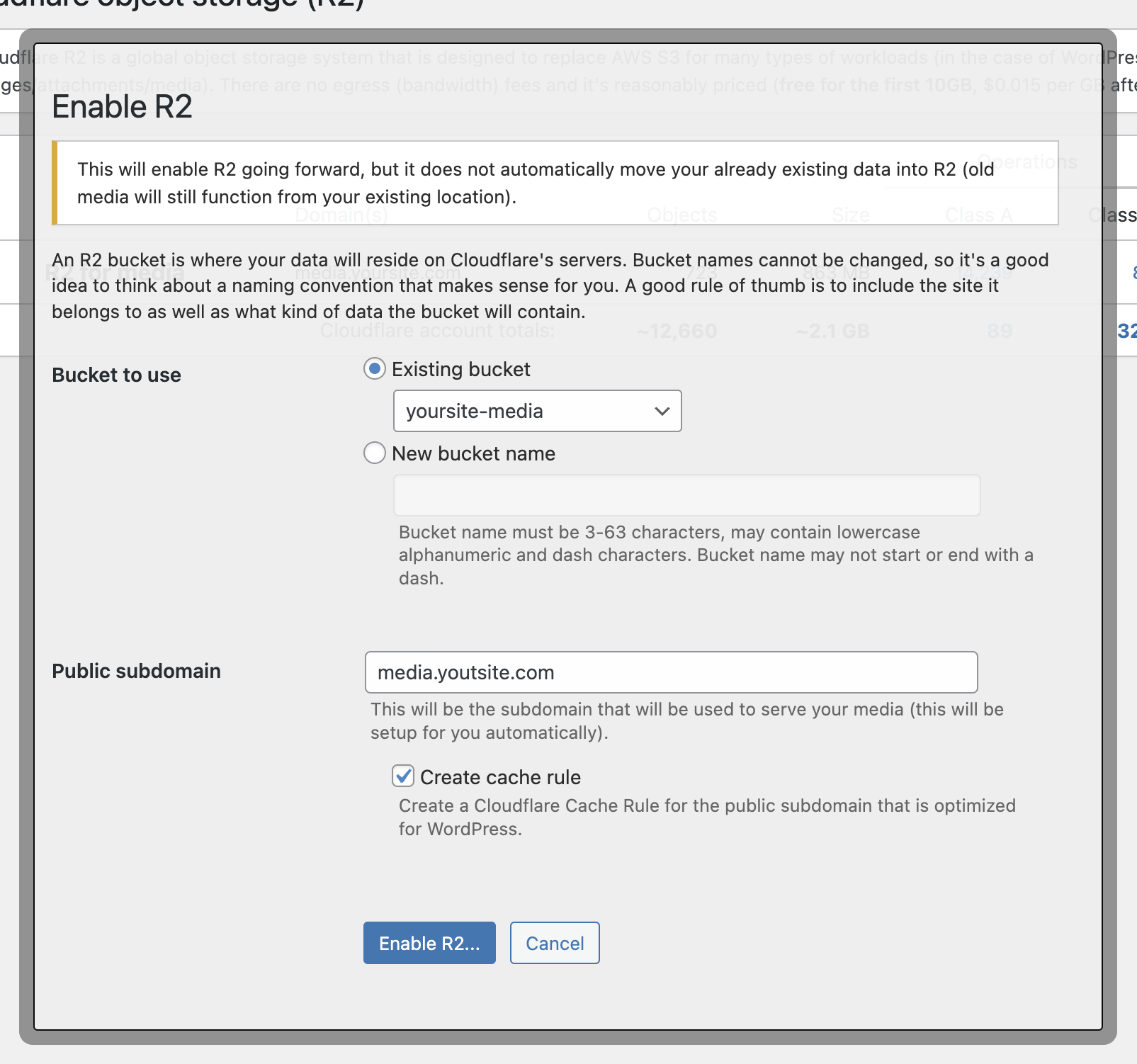
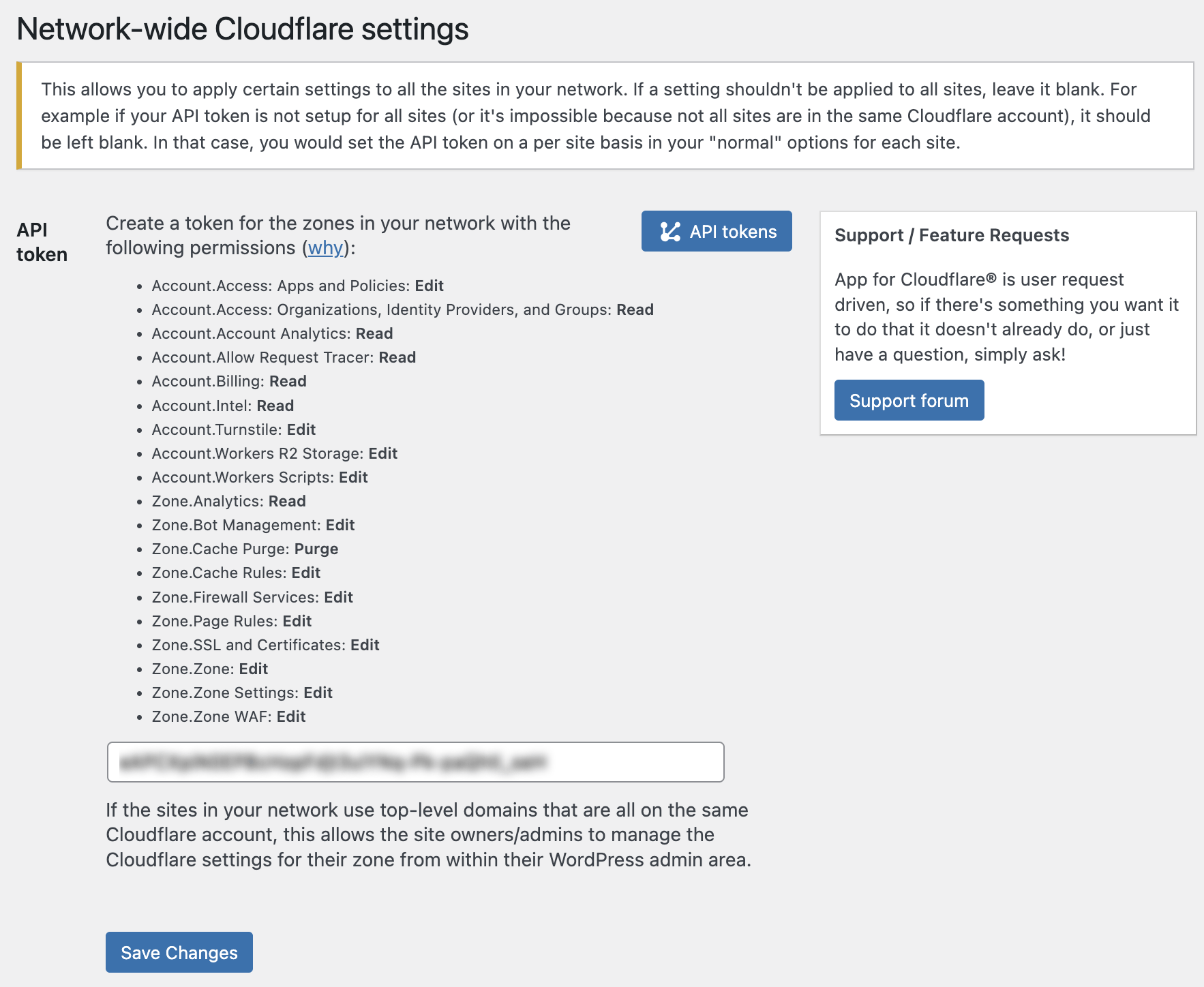
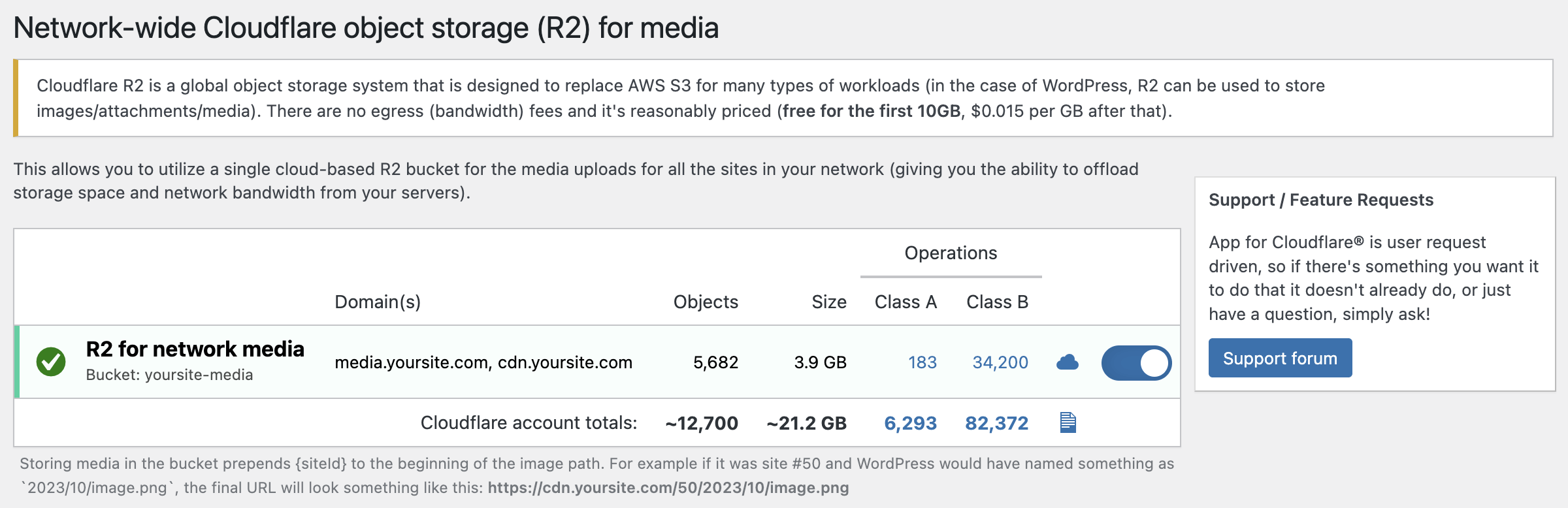
Yes. Not only does it work as a standard plugin on any site within the network, it can be deployed as a "network activated" plugin (automatically available to all sites within the network). Additionally, there are settings available to the network admins where you can optionally set a default API token (that is used, but not disclosed to the individual sites). Individual sites can set a different API token to override the network-wide token if needed. This is useful in a scenario where all (or most) of the sites in the network are on the same Cloudflare account and can share the same API token. The Pro version allows a single Cloudflare R2 bucket to be used for storing the media for all sites in the multisite network.
I locked myself out of settings
There is an option to allow settings to be changed only by one specific admin account. If you use that setting, and then lose or change the admin account you assigned to that role, it can be problematic. If you need to bypass that option, you can by adding the following to your WordPress wp-config.php file:
define('CLOUDFLARE_BYPASS_USER_LOCK', true);
Can I override my site URL?
If your site is setup in a situation where the backend site URL is different from the frontend URL (for example, a headless WordPress setup), you can use the site_url WordPress filter to alter your site URL as needed. If you need something more granular (only altering the site URL for this plugin), you can add the following to your wp-config.php file (use your frontend URL in place of example.com):
define('CLOUDFLARE_SITE_URL', 'https://example.com');
I have an idea for this plugin, can I make a suggestion?
Yes, please do! You can find the suggestion area over here.
更新日志:
- Fixed issue where an admin of a site within a multisite network couldn't add a user manually when using Turnstile for registrations
- Added additional extensions to the Cache Rule for caching static content
- Added new Cloudflare setting (under Speed): Markdown for Agents
- Added
app_for_cf_cache_timesfilter to change the default cache times for guest page caching
- Added internal framework support for streaming R2 objects when copying from/to the local filesystem
- Added
app_for_cf_purge_cachefilter to control (or piggyback) cache purging - Internal
inet_pton()usage change (compatibility with a change in PHP 8.5.1, 8.4.16, 8.3.29, 8.2.30, 8.1.34)
- Added the ability to copy Cloudflare zone settings from a different zone on the same Cloudflare account
- Fixed issue where ability to set multisite, network-wide API token was not visible
- Added the ability to see existing API token permissions in network admin (for multisite networks)
- Added
app_for_cf_guest_page_cacheablefilter to allow third-party plugins to control page eligibility for guest page caching - Added the ability to optionally add WordPress filters directly to
wp-config.phpfile (for those that don't want to use a plugin or other mechanism to do add filters), this is done by adding a Closure object to $GLOBALS['filter_name'] withinwp-config.php - Updated charting library (Chart.js) to 4.5.1
- Replaced JavaScript fade animations with CSS transitions
- Fixed issue with a missing method used to create a Turnstile widget
- Added support for Cloudflare web analytics (requires two additional API permissions for your token (
Account.Account Settings: Read&Account.Account Settings: Edit), for those upgrading from a previous version) - Token permissions are automatically checked (requires an additional API permissions for your token (
User.API Token: Read), for those upgrading from a previous version) - Reworked admin navigation to have subsections
- Removed option: Speed -> Other -> Signed Exchanges (deprecated as of Oct 20, 2025)
- Removed option: Speed -> Other -> AMP Real URL (deprecated as of Oct 20, 2025)
- Added the ability to purge cache via WP-CLI:
wp app-for-cf purge-cache - Added Turnstile support for WooCommerce
- Added Turnstile support for Contact Form 7
- Added Turnstile support for HTML Forms
- Added Turnstile support for MetForm
- Added Turnstile support for WPForms
- Enabling the Image Transformations option will automatically enable Image Transformations in Cloudflare for your zone
- Site URL can be overridden with the CLOUDFLARE_SITE_URL PHP named constant:
define('CLOUDFLARE_SITE_URL', 'https://example.com'); - Fixed an issue with Image Transforms for sites that use subdirectories for WordPress installation (rather than root of the domain)
- Guest page caching works better with WooCommerce (checking for woocommerce_* cookies now)
- Removed option: Speed -> Image Optimization -> Mirage (deprecated as of Sept 15, 2025)
- Purging non-pretty post URLs even if pretty URLs are setup (handles permalinks being different based on the post status)
- Prioritize resources to be preloaded appropriately if third-party plugins use the wp_preload_resources hook to call specific resources out for preloading
- Fixed an issue that would prevent scheduled events from working in certain versions of PHP
- The backend mechanism for purging URLs from cache is more efficient
- Made verbiage on button to create new API token a little more clear
- Automatically purge old URL for a post if the slug or date was edited on an existing post
- When purging the cache for attachments, don't assume the attachment URL is known (don't try to purge an invalid URL)
- Don't try to schedule a cron task to purge URLs if the URLs are unknown
- Delete any pending cron tasks for purging page caches if plugin is being deativated
- Set cache control policy for JSON endpoints so guest page caching doesn't cache those requests
- Handle a situation where a third-party plugin is using a filter and turning a script or CSS URL into something unusable (not a string)
- Limit preloaded resources to a maximum of 10
- Updated charting library (Chart.js) to 4.5.0
- Simplified internal function for converting IPs to/from binary representations
- Fixed issue where Purge Cache button in admin bar wouldn't work
- New option (Preload resources): automatically adds Link header that includes JavaScript and CSS URLs for the page (tells browsers to preload resources used by the page)
- Fixed issue where guest page caching could by disabled, but not enabled
- Added support for Cache Rules that contain browser bypass TTL
- All JavaScript rewritten to be native (no dependency on jQuery)
- Added support for Turnstile CAPTCHA for use on Registration, Login, Password Reset and/or Comment forms
- Purge cache option in admin bar displays icon, but not text when displayed on thin screens (for example, cell phones)
- Fixed cosmetic wrap issue on Settings page when site is within a multisite network
- Cloudflare Image Transformation support for WordPress Media
- Updated charting library (Chart.js) to 4.4.9
- Added new Cloudflare setting (under Security): AI Labyrinth
- Updated charting library (Chart.js) to 4.4.7
- Added new Cloudflare setting (under Security): AI Bots
- Fixed issue where you couldn't uncheck the
Only your user accountoption
- When using guest page caching, decouple the purge cache mechanism from the HTTP request (the purge cache action is sent to WordPress' cron system)
- Updated charting library (Chart.js) to 4.4.6
- Added new Cloudflare setting (under Speed): Speed Brain
- Easy Config enables Speed Brain
- Added support for setting
SSL/TLS Encryption ModetoStrict (SSL-only origin pull)(for Enterprise zones) - Added new Cloudflare setting (under SSL/TLS): Encrypted Client Hello
- Added new Cloudflare setting (under Security): Leaked credentials
- Fixed issue with deleting a Page Cache rule (change to Cloudflare API)
- Updated charting library (Chart.js) to 4.4.4
- Added new Cloudflare setting (under Security): Replace insecure JavaScript libraries
- New option: Purge cache button in admin bar
- Fixed issue where "Block IP address on spam flag in comment queue" option couldn't be unchecked
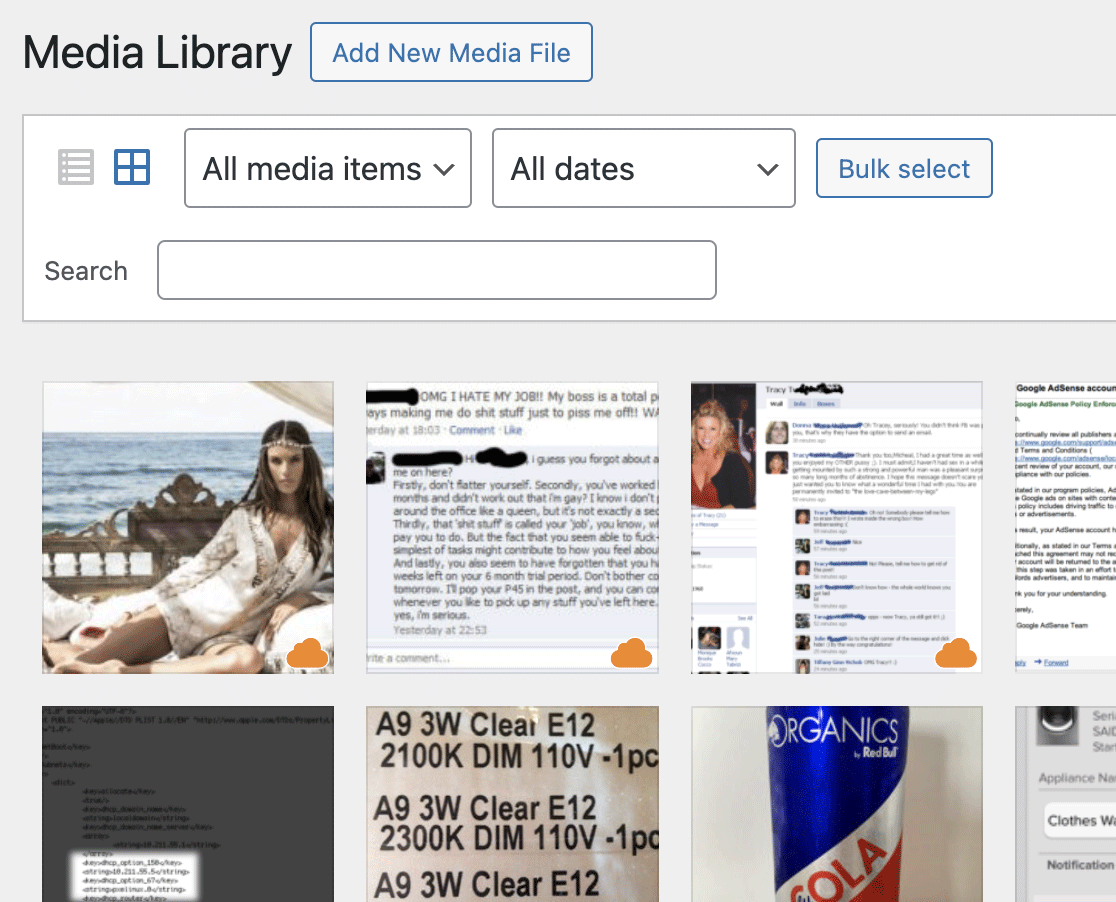
- New option: Convert uploaded media to WebP [Premium]
- Removed Brotli compression setting (it's now always on in Cloudflare)
- Removed Minify settings (they have been deprecated and will be removed from Cloudflare soon)
- Removed Server-side Exclude setting (it has been deprecated and will be removed from Cloudflare soon)
- Added framework for new option to create Firewall Rule to block AI scrapers & crawlers
- Updated charting library (Chart.js) to 4.4.3
- Added deprecation notice for Auto-Minify setting
- When installing Pro plugin, replace the default activate plugin link with a link to enter license key (the plugin isn't "activated" in the traditional sense)
- Updated charting library (Chart.js) to 4.4.2
- Fixed typo when installation is the primary site in a multisite network
- If API token can't be verified, present an error about it being an invalid API token immediately
- Changed wording of the "API tokens & keys" button
- Updated charting library (Chart.js) to 4.4.1
- A few custom actions are intended to execute last, so PHP_INT_MAX was used as the priority, however it was causing issues on certain servers so the priority was lowered (but still very high)
- Cloudflare statistics charts on dashboard dynamically resize properly when resizing window
- Added ability for individual API calls to ignore multiple error codes instead of just one
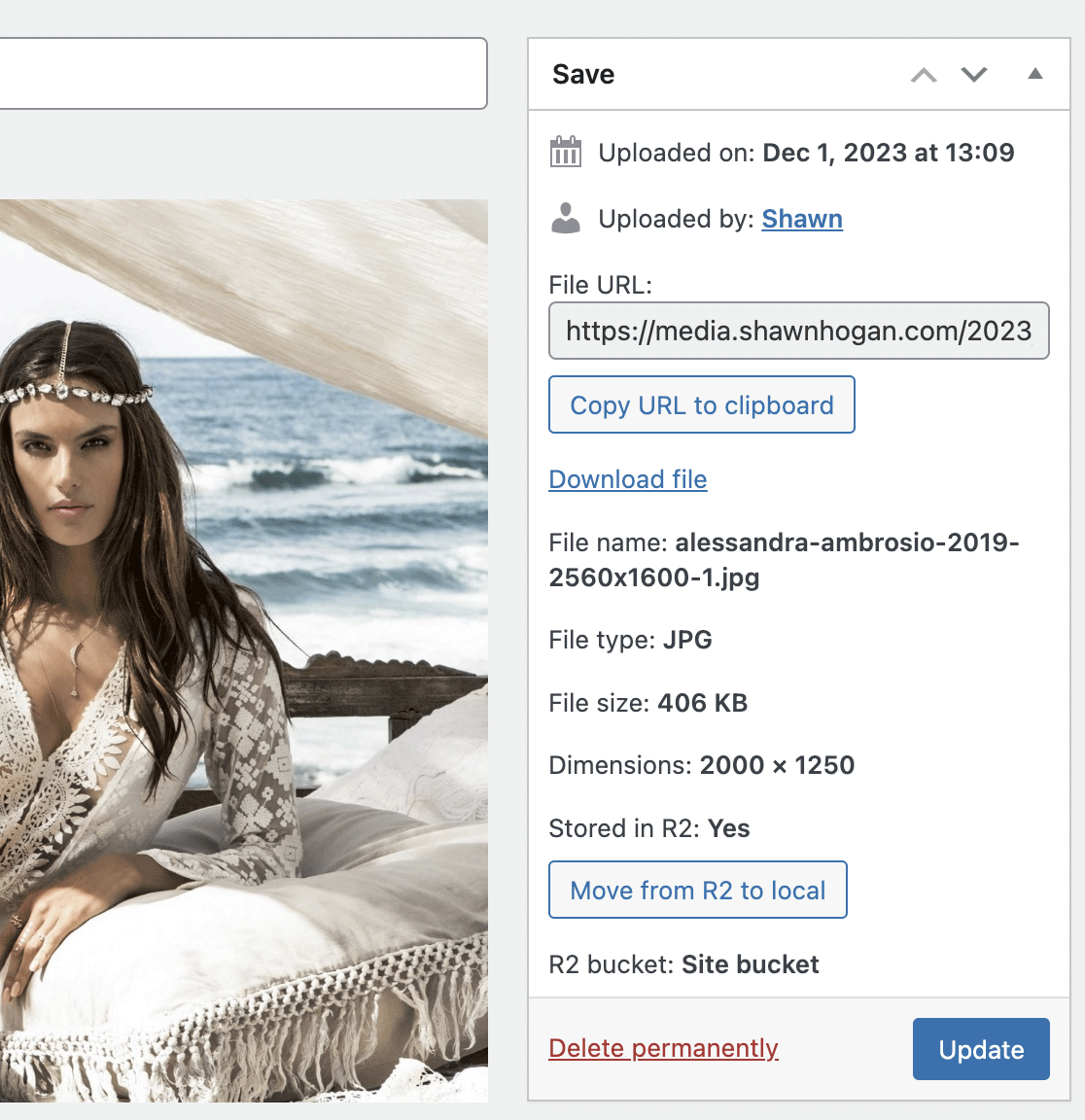
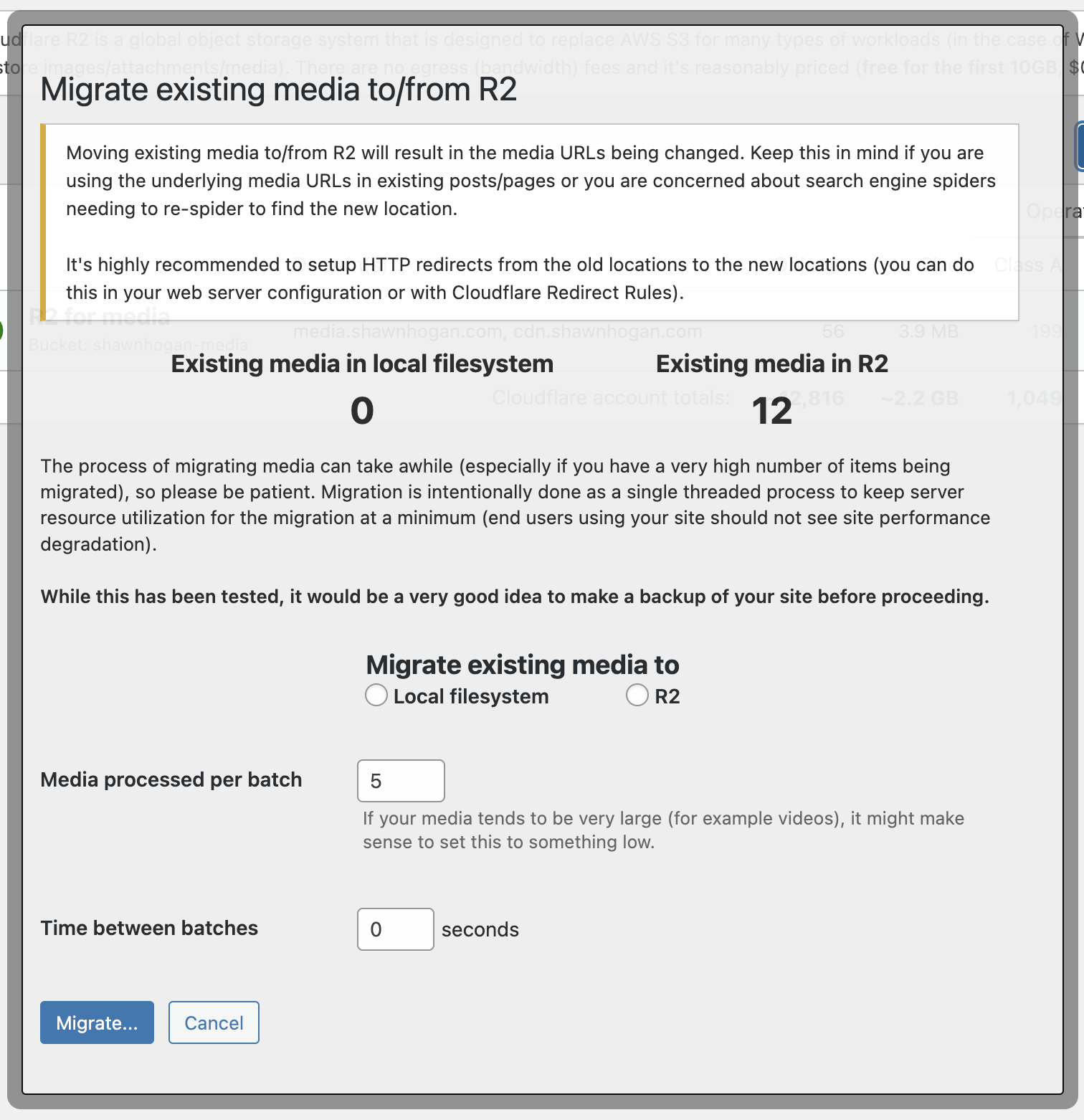
- Existing media can be moved to/from R2 individually or in bulk [Premium]
- The API calls necessary to build the Cloudflare settings page are now run in parallel (it's currently 10 API calls that were previously made sequentially). Viewing (and editing) settings is significantly faster now (it's as fast as the single slowest API call, rather than as slow as all 10 API calls added together).
- Raised timeout for Cloudflare API calls from 5 seconds to 15 seconds
- For multisite/network installations, there is a new settings page that allows you to set some network-side settings (for example the API token to use) across all sites without specifically setting it for each site. See Network Admin -> Settings -> Cloudflare
- If there's a multisite network API token set, an individual site can still override that API token (allows a situation where most sites are on a single Cloudflare account can use the network-side API token, but the ones that aren't can still specify a different one)
- Added info page about using R2 in a multisite setup (using a single bucket for all sites)
- Added sanity check (make sure it exists) when attempting to display an actioned template
- Added more sanity checks for unexpected Cloudflare API results
- The intel tools (IP address details, Domain details, WHOIS) can't be used (and are removed from the navigation) if a site doesn't have their own API token (in a scenario where they are using a default multisite network API token). This is because there is a very small monthly quota for API calls for the entire Cloudflare account/API token (around 100 per month).
- Fixed issue with HTTP Request Trace tool
- Added link for info about why each Cloudflare token permission is needed
- Increased the number of URLs being purged per API call from 8 to 30
- Suppress API rate limit error message when using guest page caching and the backend is purging individual URLs from Cloudflare's cache (if there are a ton of posts being added at once, or edited quickly over and over, a site might hit rate limits after about 40 new posts/edits/comments in a single minute). Since it's not catastrophic if a cache purge didn't successfully run, we are just going to ignore the failure and let the cache expire on its own.
- Better handling of situation where Cloudflare API is down/unavailable
- Changed how menus are built (old method was deprecated in PHP 8.x)
- Removed "Security -> Privacy Pass Support" setting (it's been deprecated by Cloudflare and is no longer used)
- Clean up some layout anomalies when using a right-to-left language
- The Cloudflare Fonts option ID has changed. This addresses that (it's what I get for giving the ability to toggle options that Cloudflare has deemed "beta"... they are subject to change).
- Added a sanity check so if future option IDs change, it won't throw an error (along with not being able to change them). Instead, that option won't change until the ID is updated.
- Fixed issue where boolean settings wouldn't always be parsed to boolean values
- Fixed issue where HTTP Strict Transport Security (HSTS) settings wouldn't always be changeable
- Added support for Super Bot Fight Mode settings: Likely Automated, Definitely Automated, Verified Bots, Static Resource Protection, Optimize For WordPress, JavaScript Detections
- Better handling of unexpected Cloudflare API changes
- Fixed issue with modal confirmation dialog not scrolling when it goes off the screen (mainly an issue when enabling R2 for media from a mobile devices)
- Cloudflare made a change to the bot management API (but only for paid plans), this version addresses that.
- Fixed issue where a settings page redirect would fail because WordPress had already output HTML in some cases
- Cosmetic clean-up here and there
- Notice in Media section about using/setting up R2 is dismissible
- Added support for new Cloudflare setting: Speed -> Optimization -> Content Optimization -> Cloudflare Fonts
- "Easy config" enables Cloudflare Fonts
- Settings that are deemed beta by Cloudflare, are shown with a beta label
- Better handling of cases where there's an error when making an API request
- Initial release of App for Cloudflare® for WordPress. The WordPress version is kept in feature parity with the XenForo version. You can find the update changelog for older versions (if you are curious), over here.