Scoby Analytics
| 开发者 | scobyio |
|---|---|
| 更新时间 | 2026年1月17日 17:02 |
| 捐献地址: | 去捐款 |
| PHP版本: | 7.4 及以上 |
| WordPress版本: | 6.9 |
| 版权: | GPLv2 or later |
| 版权网址: | 版权信息 |
详情介绍:
- No cookies / no storage on the user device (relevant for ePrivacy / TDDDG)
- No device fingerprinting
- No user profiles or cross-site tracking
- Anonymization before transmission and aggregated storage (no individual-level analytics)
- Page views and visits
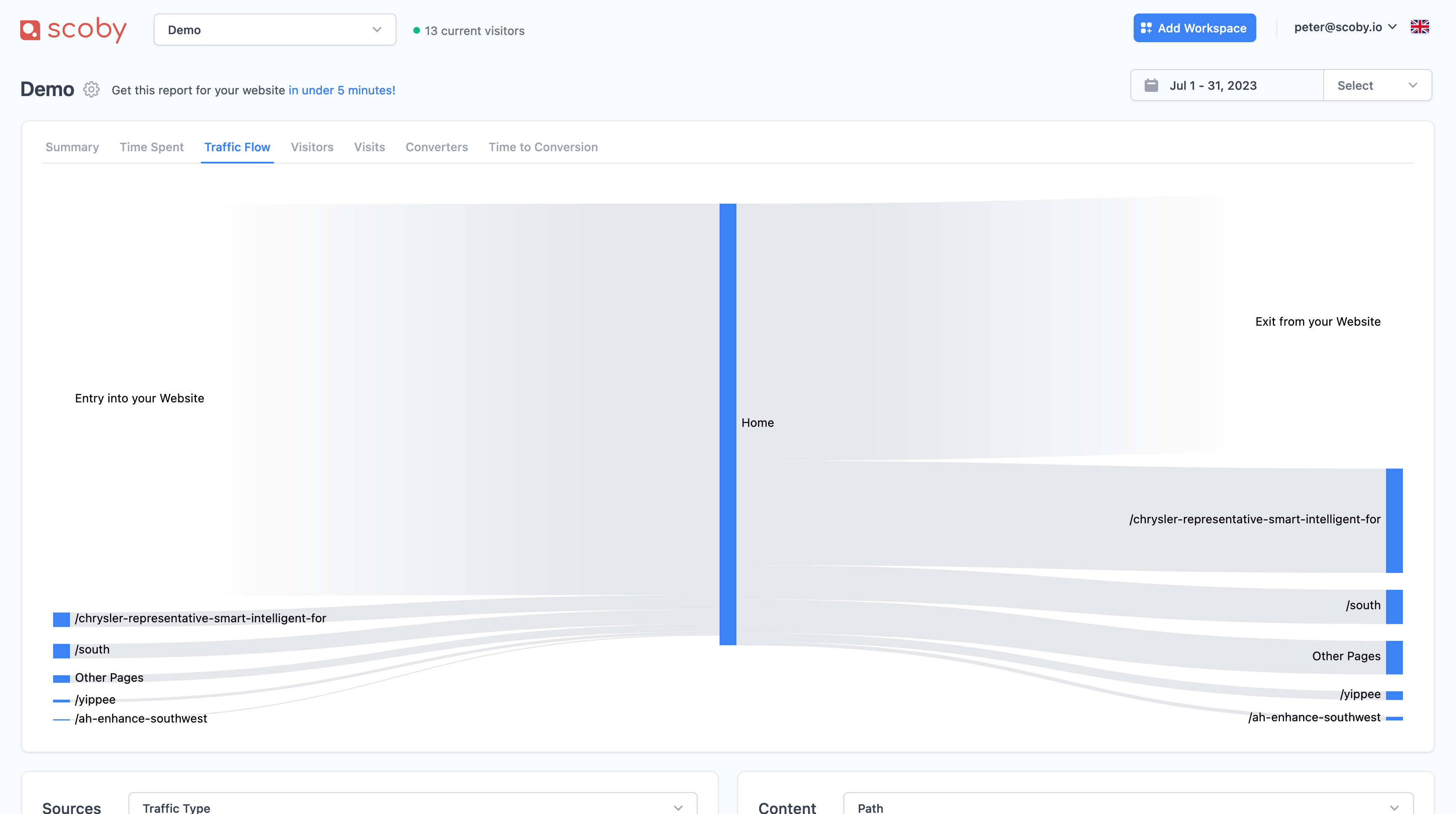
- Entry/exit pages and content performance
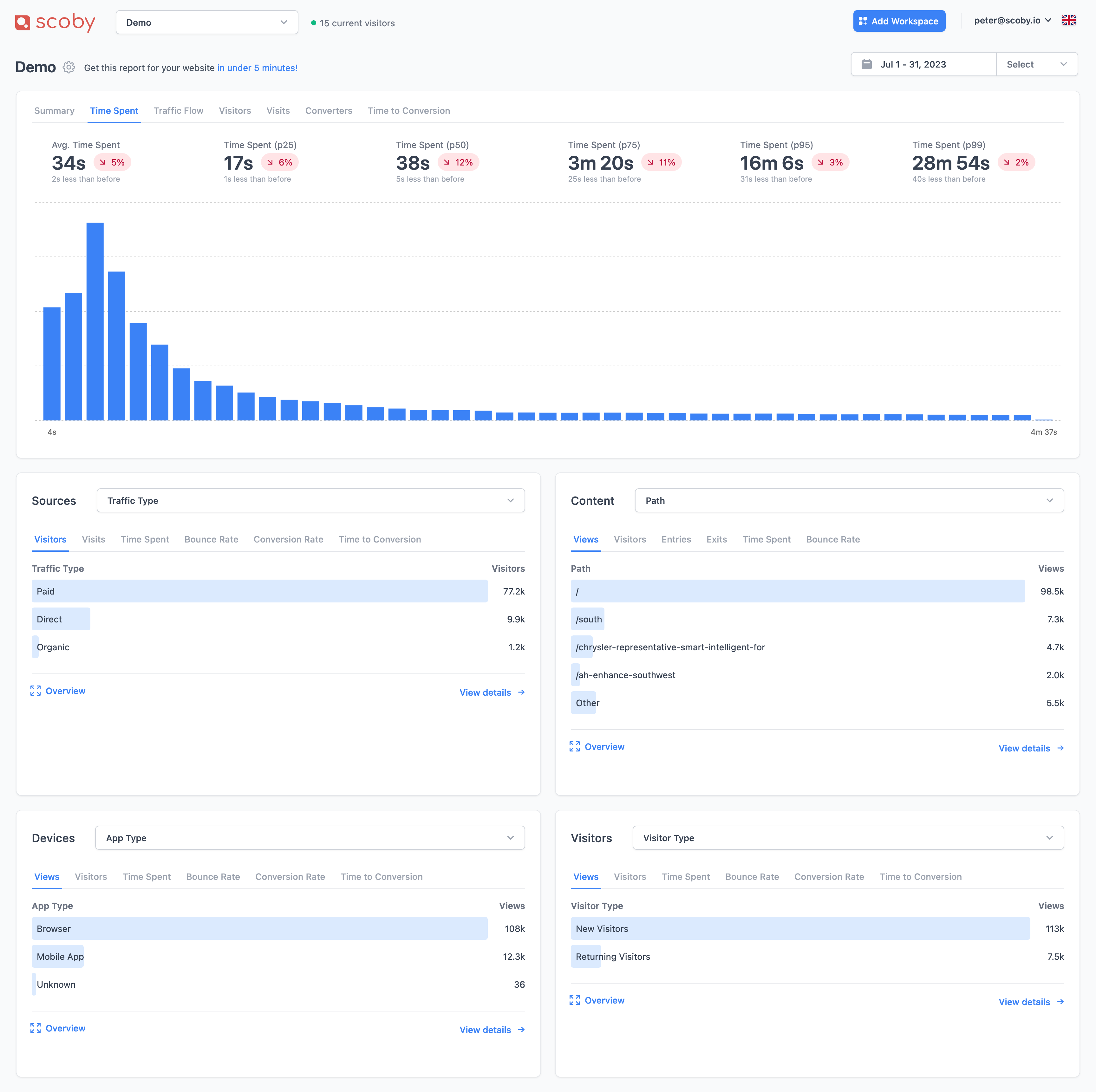
- Engagement metrics (e.g., time-spent distributions/percentiles)
- Conversion events (depending on your setup)
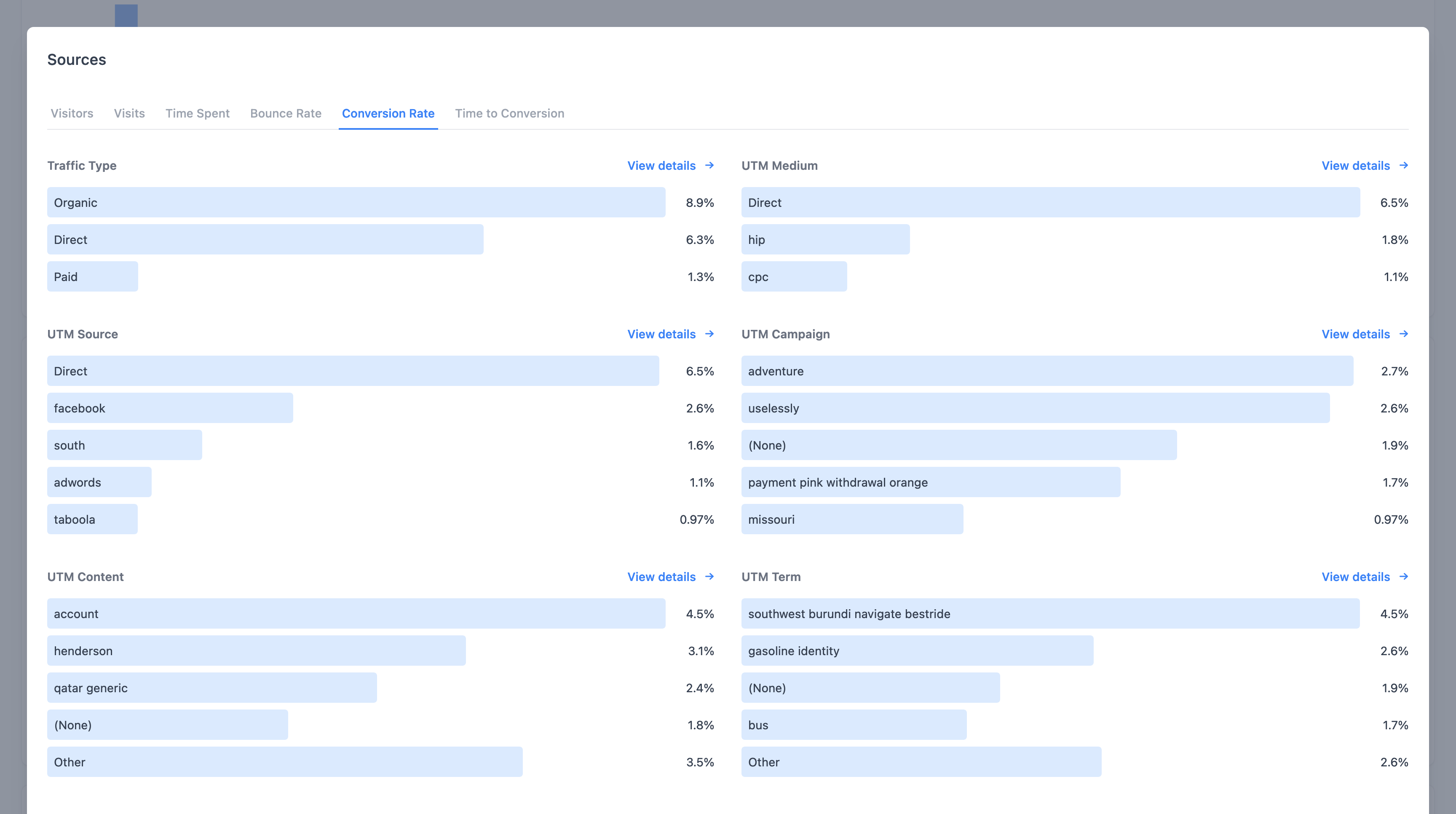
- Referrers and traffic sources (without persistent identifiers)
- No cookies
- No device fingerprinting
- No cross-site tracking
- No user/device profiles
- WordPress dashboard reporting
- Export to
.xlsx - Integrations with BI tools (e.g., Looker Studio, PowerBI, Tableau)
安装:
- In your WordPress dashboard, go to Plugins > Add New
- Search for Scoby Analytics and click Install Now
- Click Activate
- Navigate to Scoby Analytics in the sidebar
- Follow the guided setup steps to configure your workspace
屏幕截图:
常见问题:
Does Scoby Analytics require a consent banner?
In many standard website scenarios, Scoby can be used without a consent banner because it is designed to avoid cookies, fingerprinting, and identifying user tracking, and to process anonymized, aggregated data. Whether you need consent depends on your specific implementation and legal assessment.
Is Scoby GDPR / ePrivacy compliant?
Scoby is designed to align with privacy-by-design principles and to minimize or avoid personal data processing. Scoby’s documentation explicitly notes the integration is privacy-focused and intended to support a legitimate-interest approach. Final responsibility for compliance remains with the site operator.
What kind of data does Scoby collect?
Aggregated, anonymized usage data (e.g., page views, engagement metrics, referrers/traffic sources in non-identifying form). Scoby is designed to avoid collecting personal identifiers and does not rely on cookies or fingerprinting.
How does Scoby ensure privacy compliance?
By avoiding cookies and tracking identifiers and by anonymizing data before transmission, then processing/storing it only in aggregated form. Scoby’s docs also emphasize that it does not provide legal advice and recommend validating your setup with a DPO or legal team.
Can I integrate Scoby with my reporting tools?
Yes. Scoby supports .xlsx exports and can be connected to common BI/reporting tools (e.g., Looker Studio, PowerBI, Tableau).
Is Scoby suitable for marketing teams?
Scoby is designed for performance and attribution insights without user tracking identifiers. The suitability depends on your reporting needs and how you define conversions and sources in a privacy-preserving way.
How often is Scoby updated?
See the changelog below for details.
Where can I get support?
Documentation: https://docs.scoby.io/ Support: hello@scoby.io
更新日志:
- Improve Readme for better user experience
- Upgrade dependencies ot latest version
- Sets the WordPress tested up to version to 6.8.2
- Adds time zone detection for more accurate data reporting.
- Sets the WordPress tested up to version to 6.5
- Adds Setup Assistant
- Removes tracking of pages that return 404 Not Found errors